
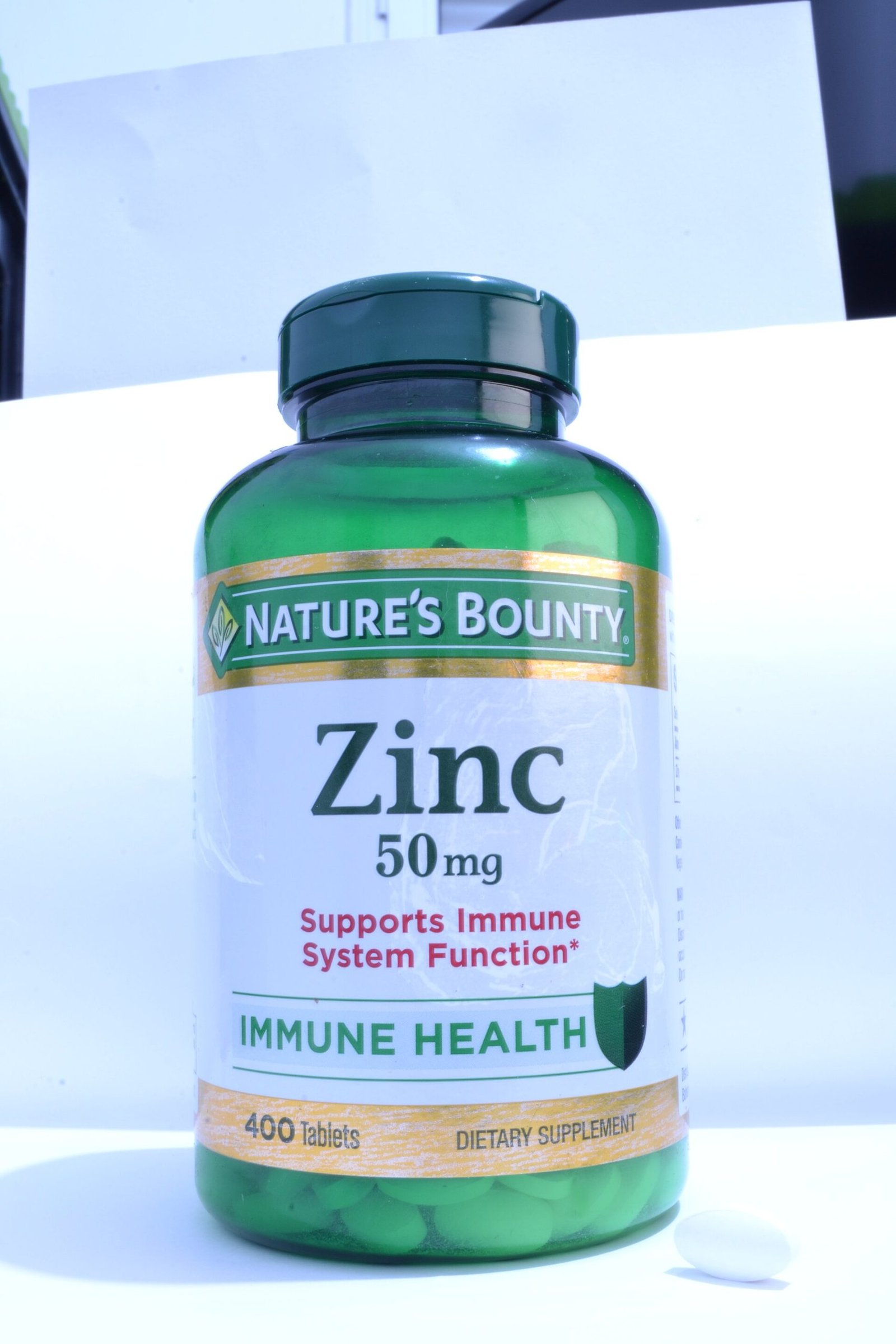
Description
Zinc bisglycinate 15mg, measured as elemental zinc, 120 servings at about 13 cents each. The figure on the front is the element rather than the compound, which matters because zinc bisglycinate 15mg of elemental zinc requires roughly 49 mg of the chelate itself. The glycine accounts for the rest of that weight, and plenty of labels quote the larger number.
The arithmetic on the panel
| Elemental zinc | 15 mg per capsule |
|---|---|
| Compound | zinc bisglycinate, about 30 percent elemental by mass |
| Chelate weight | roughly 49 mg per capsule |
| Servings | 120, one capsule each, about 13 cents a serving |
| Reference intake | 8 mg a day for women, 11 mg for men |
| Upper limit | 40 mg a day for adults |
| Taken with | a meal, since zinc on an empty stomach causes nausea |
How zinc bisglycinate 15mg compares across the forms
Elemental percentage is the only way to compare zinc bisglycinate 15mg against the other salts, and the range is wide. Oxide is around 80 percent elemental, sulfate roughly 23, bisglycinate about 30, picolinate nearer 20 and gluconate about 14.
So 50 mg of zinc gluconate is about 7 mg of zinc, while 50 mg of oxide is about 40 mg. A bottle quoting the compound weight without the element is quoting a number that cannot be compared with anything, which is why the elemental figure leads the amount column on the minerals page with the compound weight beneath it.
What absorption studies have measured
Comparisons between chelated zinc and the inorganic salts have measured modest differences in absorption and in plasma zinc response, with the chelates generally performing slightly better and the gap smaller than marketing suggests.
Food matrix and total intake matter more than form in most of those protocols, and phytate in grains and legumes reduces absorption measurably. That is a description of the literature and not a claim about this bottle. The reference tables are on the NIH zinc fact sheet.
The copper problem
Sustained high zinc intake from any form, zinc bisglycinate 15mg included, lowers copper status, which is well documented and the reason the upper intake level exists at 40 mg a day. At 15 mg a capsule there is room before that ceiling, but a multivitamin and a zinc lozenge on top of it add up faster than people expect.
Copper bisglycinate is stocked separately at 2 mg for exactly this reason, so the ratio can be matched to whatever you are actually taking rather than to whatever a combination capsule decided.
Why zinc bisglycinate 15mg rather than 50mg
Because 15 mg sits above the adult reference intake and well below the 40 mg upper limit, which leaves room for the zinc in a multivitamin on top. Bottles at 50 mg exceed the upper limit in a single capsule, and plenty of them are sold without mentioning it.
A zinc bisglycinate 15mg capsule is also easy to take twice if a clinician has asked for more, which a 50 mg capsule cannot be divided to do. The general argument is in what starting low actually means.
Why with food
Zinc on an empty stomach causes nausea in a substantial proportion of people, and it is dose related. Taking the capsule with a meal largely removes it, at a small cost in absorption from the phytate in that meal. That trade is worth making if the alternative is not taking it at all.
Single ingredient, deliberately
There is nothing else in this capsule. No copper, no magnesium, no vitamin C. That is the point: a single mineral at a stated elemental amount can be fitted around whatever else you take, which a fixed combination cannot.
Testing
Every lot of zinc bisglycinate 15mg is identity tested and assayed for elemental zinc by an independent laboratory, with heavy metals screened as well, which matters because mineral salts are mined material. Under strength lots are withdrawn and the failing certificate stays public, and your lot report is linked on this page.


Reviews
There are no reviews yet.