
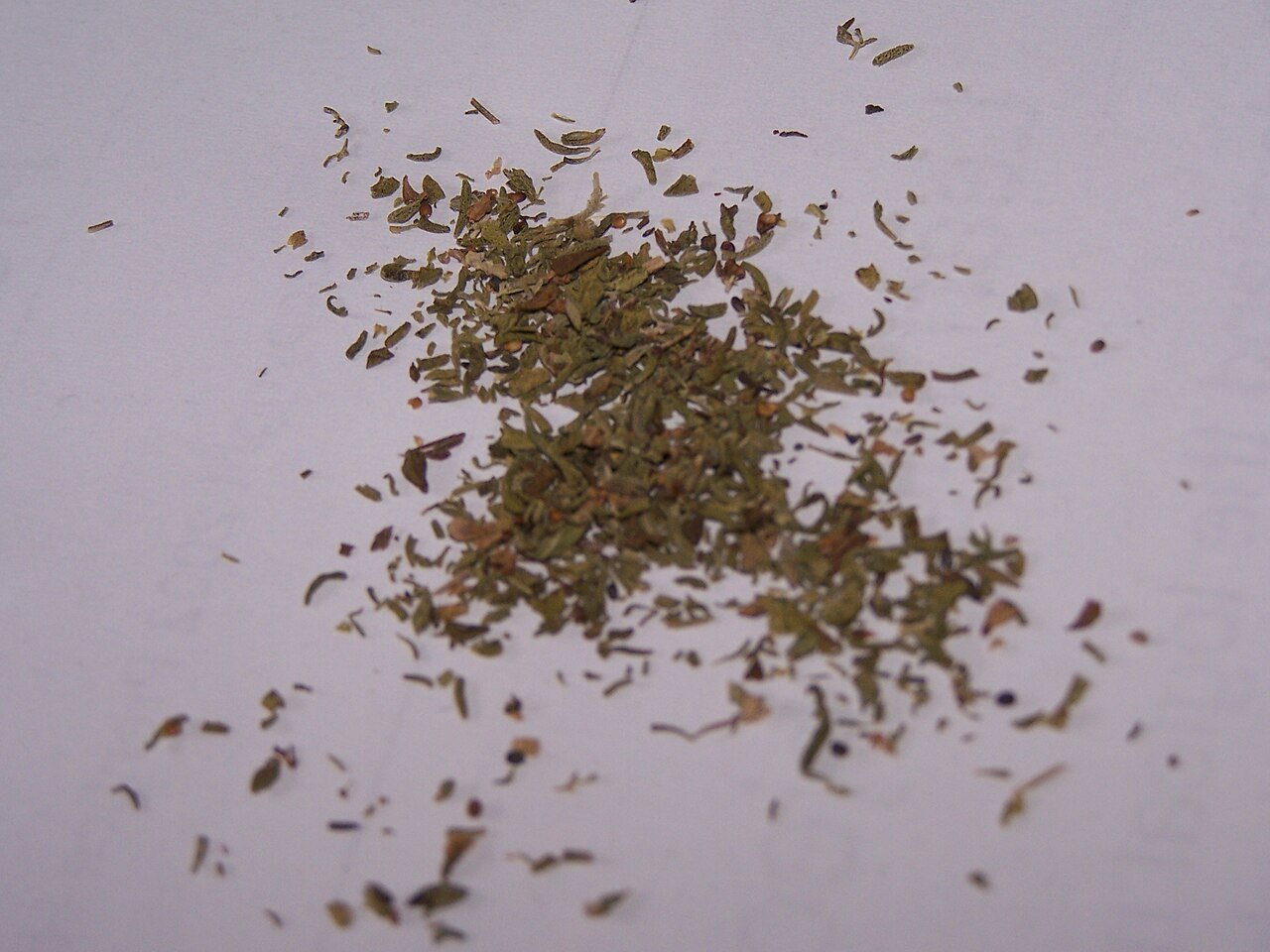
Description
Pine bark extract from French maritime pine, standardised to 95 percent proanthocyanidins, 100 mg a capsule and 30 servings in the bottle at about a dollar forty each. The marker percentage is the specification the branded extract established, and it is the figure that makes one pine bark extract comparable with another. The plant is Pinus pinaster, grown in plantations along the Atlantic coast of southwest France.
On the panel
| Plant | Pinus pinaster, bark, French maritime pine |
|---|---|
| Amount | 100 mg of pine bark extract per capsule |
| Standardisation | 95 percent proanthocyanidins, measured per lot |
| Servings | 30 per bottle |
| Cost | about a dollar forty a serving, 1.4 cents per milligram |
| Marker family | procyanidins, catechin and taxifolin units |
| Testing | identity, marker assay and contaminant panel each lot |
Why the marker percentage is the whole specification
Bark is bark. What differs between extracts is how much of the polyphenol fraction survived the extraction and how it is measured. A generic extract quoting total phenolics is not quoting the same thing as one quoting proanthocyanidins, and a bottle with no percentage at all is quoting nothing you can check against a study.
So the number sits on the panel beside the weight, and the measured figure for your lot is on the certificate rather than the target specification. Extract ratio, plant part and marker percentage are the three figures the herbals page insists on for every botanical listing, because milligrams alone tell you very little.
What the pine bark extract trials administered
Published human studies have mostly used 100 to 300 mg a day over four to twelve weeks, with endpoints including leg swelling and venous symptom scores, measures of endothelial function, skin elasticity instruments and blood pressure readings. Several ran at 150 mg daily. That is a description of the doses administered and the instruments read in the literature. It is not a claim about this bottle.
Thirty servings, and what that tells you
A month to a bottle at one capsule a day, which is worth noticing against trial lengths of four to twelve weeks. A single bottle covers the shortest of those protocols and a third of the longest. We print servings per container next to the serving size for exactly this reason, since a bottle that runs out before any studied period has elapsed is an odd thing to buy.
Sourcing, stated rather than storied
The bark comes from plantation trees harvested for timber, so the extract is a by product of forestry rather than a reason to cut anything down. That is a supply chain fact and we will leave it there, because the alternative is writing paragraphs about forests on a page that should be about milligrams.
Pine bark extract against grape seed extract
The two are close in composition, both rich in procyanidins, and grape seed extract costs considerably less per gram. What pine bark extract has is a larger and more specific research record, because one branded material attracted most of the studies, where grape seed products vary more between brands. Whether that record justifies the price difference depends on whether you want the exact material the trials used or the compound family in general. Both are stocked here and both are priced per milligram of marker compound.
Interactions and timing
Polyphenol extracts at these amounts can interact with anticoagulant and antiplatelet medicines, and anyone taking either should ask a pharmacist first. The capsule is usually taken with food. For a free government summary of what has been studied for individual plants, the NCCIH herbs at a glance series is the place to look.
Testing
An independent laboratory confirms species identity, measures the proanthocyanidin percentage and screens heavy metals, pesticides and microbials on every lot of pine bark extract. Lots failing identity or potency are withdrawn and the failing certificate stays published rather than disappearing, which is the practice described in why we publish the batch that failed. Your lot assay is published on this page. A 100 mg capsule of pine bark extract standardised to 95 percent proanthocyanidins holds about 95 mg of the marker, so here the extract weight and the marker weight are nearly the same number.


Reviews
There are no reviews yet.