
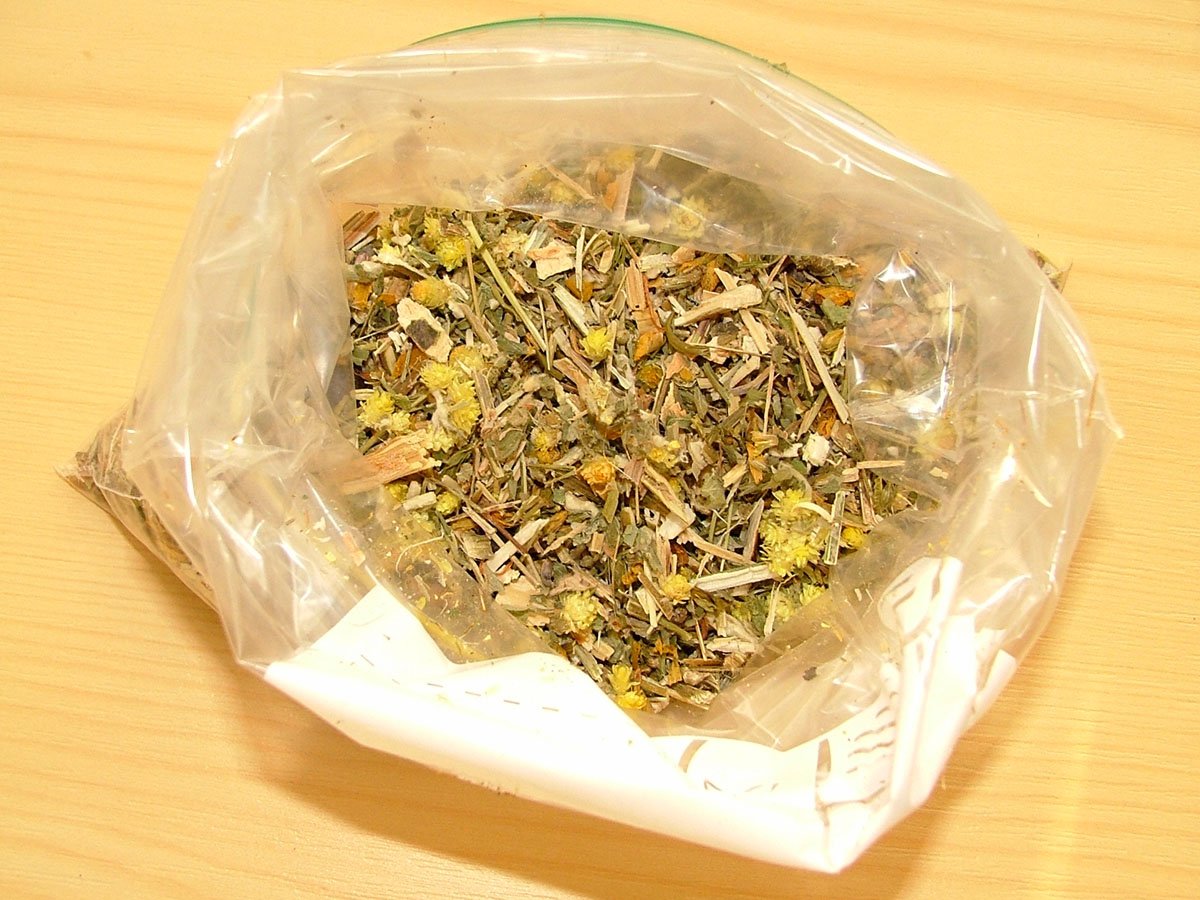
Description
Milk thistle seed extract standardised to 80 percent silymarin, with the milligrams of flavonolignans printed rather than left for you to calculate. The plant is Silybum marianum, a spiny purple flowered thistle, and the part used is the seed. Eighty percent is the strength the clinical literature worked with, which is why a milk thistle label quoting a lower figure or no figure at all is not comparable to this one.
Label figures
| Plant | Silybum marianum, seed |
|---|---|
| Standardisation | 80 percent silymarin, assayed per lot |
| Flavonolignans | milligram figure printed on the panel |
| Complex | silybin, silydianin and silychristin together |
| Extract ratio | stated beside the weight |
| Price basis | per milligram of silymarin, under the price |
| Testing | identity, potency and contaminants every lot |
What silymarin is, and why a milk thistle percentage is a range of compounds
Silymarin is not one molecule. It is a complex of flavonolignans, principally silybin, silydianin and silychristin, and the proportions between them vary with the seed and the extraction. An 80 percent figure describes the sum, not the split.
Silybin is the fraction most of the pharmacology concentrates on, and it is the one usually reported separately where a laboratory measures it. Our certificate gives the silymarin total with the method named, because spectrophotometric and HPLC determinations of this complex do not return the same number.
Why 80 percent milk thistle extract is the figure to look for
Because that is the specification the trials used. Published studies have mostly administered 420 mg of silymarin a day, generally split into three doses, over periods from four weeks to a year, measuring serum transaminase concentrations and liver function panels.
Working backwards, 420 mg of silymarin from an 80 percent extract means about 525 mg of extract, which is why the flavonolignan figure matters more than the capsule weight. Stating the dose a study used is a description of the literature, not a claim about this bottle, and the arithmetic is printed so you can do the comparison yourself.
The absorption problem, stated plainly
Silymarin is poorly water soluble and poorly absorbed, which is the reason phospholipid complexed versions exist and cost more. The clinical literature on the plain extract is large but heterogeneous, with varying preparations, doses and populations, and reviewers regularly note that inconsistency.
We print that rather than quoting the most flattering trial. Where a phytosome format is worth the money it is the curcumin and quercetin complexes on the herbals page that show the price difference most clearly.
Seed, not leaf
The silymarin sits in the seed. Leaf and flower material are cheaper and carry very little of it, and a milled powder gives no visual clue which was used, so plant part is printed on the panel and confirmed by identity testing on every lot.
Milk thistle in capsules, tea and tincture
Silymarin is poorly soluble in water, which makes milk thistle tea a weak delivery route for the compound the research is about. A tincture extracts more of it than water does. A standardised powder in a capsule fixes the amount and is the only format that can state a percentage.
People buy all three and they are not equivalent. If what you want is the dose used in the trials, milk thistle has to arrive as a measured extract rather than as an infusion, and the panel has to carry the flavonolignan figure for the arithmetic to work at all.
Adulteration, which is the real risk here
Milk thistle material is substituted far more often than it is under dosed, and a cheap thistle is easy to mix into an expensive one. Species identity is therefore confirmed by chromatographic or genetic methods rather than taken from a supplier declaration, which is the general argument on the four seals page.
Interactions worth checking
This plant has documented effects on drug metabolising enzymes, so anyone taking prescription medication should raise it with a pharmacist first. The NCCIH herbs at a glance series publishes a free government summary of what the research supports and what it does not.
Testing
Every lot of milk thistle extract is identity confirmed and assayed for silymarin content by an independent laboratory, with heavy metals, pesticides, aflatoxins and microbials on the same certificate. Seed material gets the aflatoxin line read first. Under strength or off identity lots are withdrawn and the report stays published.


Lena K. (verified owner) –
Arrived in two days, sealed, with the batch number matching the certificate.
Rosa L. (verified owner) –
Arrived in two days, sealed, with the batch number matching the certificate.
Mia F. (verified owner) –
Arrived in two days, sealed, with the batch number matching the certificate.
Nina P. (verified owner) –
Does the job. Nothing remarkable either way.
Carl W. (verified owner) –
Solid. Slightly gritty when mixed but dissolves if you wait.
Ben C. (verified owner) –
Exactly what the label says. I checked the lab sheet before I ordered.
Victor N. (verified owner) –
Happy with it. Took about two weeks before I noticed anything.
Victor N. (verified owner) –
Better value than the one I was buying before, and the testing is published.
Dana R. (verified owner) –
The price per milligram made the comparison obvious. Switched from a pricier brand.
Mia F. (verified owner) –
Arrived in two days, sealed, with the batch number matching the certificate.
Ben C. (verified owner) –
Happy with it. Took about two weeks before I noticed anything.
Elena V. (verified owner) –
Fine, but I did not notice much difference at this dose.
Mia F. (verified owner) –
Works well. I would prefer it unflavoured but that is a personal thing.
Yara H. (verified owner) –
Better value than the one I was buying before, and the testing is published.
Yara H. (verified owner) –
Does what I bought it for without any fuss.
Jon A. (verified owner) –
Arrived in two days, sealed, with the batch number matching the certificate.
Owen D. (verified owner) –
Happy with it. Took about two weeks before I noticed anything.
Rosa L. (verified owner) –
Solid. Slightly gritty when mixed but dissolves if you wait.
Owen D. (verified owner) –
Better value than the one I was buying before, and the testing is published.
Lena K. (verified owner) –
The price per milligram made the comparison obvious. Switched from a pricier brand.
Dana R. (verified owner) –
Better value than the one I was buying before, and the testing is published.
Carl W. (verified owner) –
The price per milligram made the comparison obvious. Switched from a pricier brand.
Mia F. (verified owner) –
Solid. Slightly gritty when mixed but dissolves if you wait.
Sam G. (verified owner) –
Fine, but I did not notice much difference at this dose.