
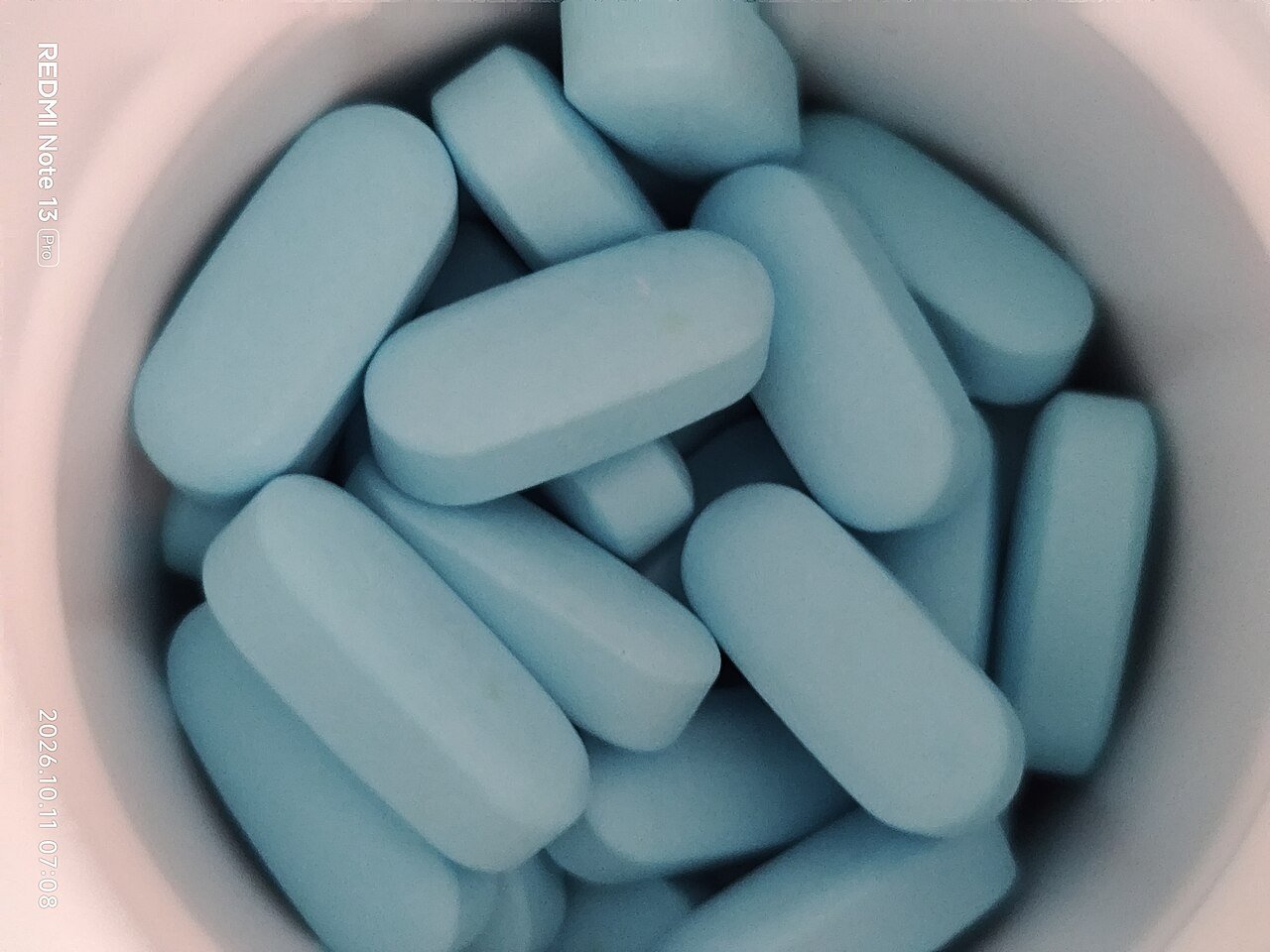
Description
Copper bisglycinate at 2 mg of elemental copper a capsule, on its own, 120 servings at about 15 cents each. The reason copper bisglycinate is sold separately rather than packed into a zinc capsule is that the right amount depends entirely on how much zinc you are taking, and a combination capsule makes that decision for you at the factory.
Label figures
| Elemental copper | 2 mg per capsule |
|---|---|
| Form | copper bisglycinate, a glycine chelate |
| Compound weight | printed beneath the elemental figure |
| Recommended intake | 900 mcg a day for adults, for scale |
| Upper intake level | 10 mg a day for adults |
| Servings | 120, about 15 cents each |
| Price basis | per milligram of elemental copper |
The zinc problem, which is why this bottle exists
High zinc intakes reduce copper absorption. The mechanism is well described: zinc induces metallothionein in the intestinal cells, that protein binds copper preferentially, and the copper is lost rather than absorbed. It is one of the better documented mineral interactions in nutrition.
Supplement labels respond to it with a fixed ratio, commonly ten or fifteen parts zinc to one part copper, which is a convention rather than an established requirement. If you take 50 mg of zinc from one bottle and your multivitamin carries another 15, a copper bisglycinate capsule you can dose independently is more use than a combination product. The zinc options are on the minerals page with their elemental figures stated.
Elemental against compound weight
The bisglycinate chelate is roughly a fifth copper by mass, so 2 mg of the element means about 10 mg of the compound in the capsule. Labels quoting the compound weight look five times more generous than they are. The elemental figure leads here and the compound weight sits underneath it, which is the rule across the mineral range.
Where 2mg sits against the reference figures
The adult recommended intake is 900 micrograms a day and the upper intake level is 10 milligrams, so one capsule is a little over twice the recommendation and a fifth of the limit. Both numbers and the food sources that cover ordinary intake are on the NIH copper fact sheet, which is free and sells nothing.
Copper bisglycinate in a multivitamin, and why that is usually 1mg
Most multivitamins carry copper at around a milligram, close to the recommended intake, and that figure assumes you are not also taking a separate high dose zinc. If you are, the sums change and the multi was not designed for your cupboard. Blends listing a combined trace mineral total rather than individual amounts make the addition impossible, which is the practice described in what a blend is allowed to leave out.
Two milligrams on its own is a deliberate amount rather than a fortification level. A copper bisglycinate capsule at this strength is set so that somebody taking 30 to 50 mg of zinc has something proportionate to balance it against.
Colour, and what is in the fill
Copper salts are blue or green and the powder inside the capsule looks it, which surprises anyone who opens one. The glycinate is less bitter than the sulfate, which matters only if a capsule gets chewed rather than swallowed. Nothing else is in the fill.
Why copper bisglycinate rather than the oxide
Copper oxide is cheap and absorbed poorly enough that it has largely been abandoned in careful formulation, while gluconate, sulfate and the glycine chelates are all used. A bisglycinate is chosen for stability and tolerability, and because glycine is an unremarkable amino acid to be carrying along.
Taking it, and when not to
With food is the usual instruction, and away from a large zinc dose if you want both absorbed. Anyone with Wilson disease or another disorder of copper handling should not take a copper supplement at all without medical supervision, which is a short sentence that matters more than anything else on this page.
Testing
Every lot of copper bisglycinate is assayed for elemental content by a laboratory with no ownership tie to us, and screened for heavy metals and microbials, since mineral salts begin as mined material. Under strength lots are withdrawn and the failing certificate stays published rather than being removed. Your lot report is linked beside the price.


Reviews
There are no reviews yet.