
Description
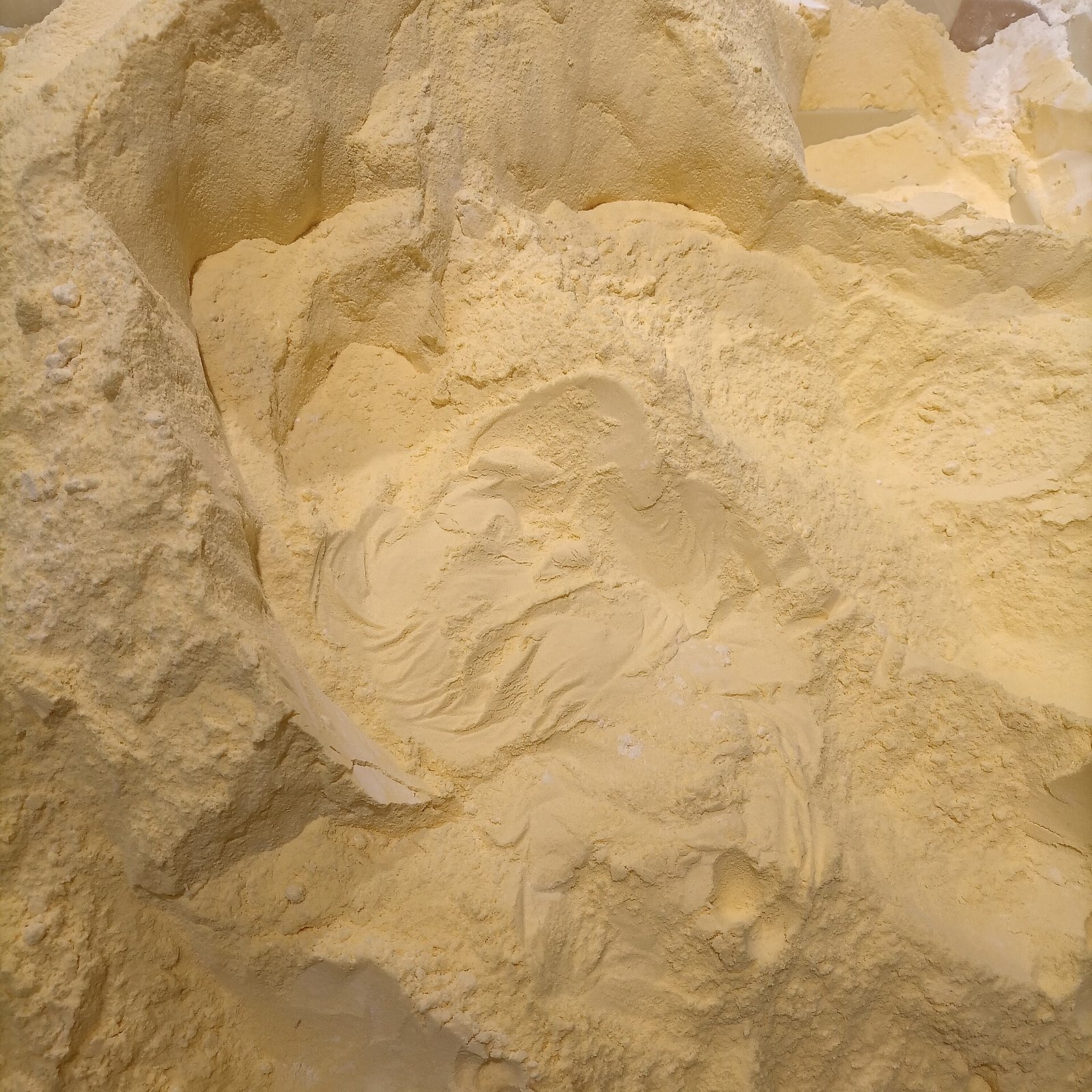
Bovine colostrum from the first milking, standardised to 40 percent immunoglobulin G and spray dried at low heat. A 3 gram scoop, 50 servings in the 150 gram tub, about 98 cents a serving. At 40 percent, each scoop of this bovine colostrum carries about 1.2 grams of IgG, which puts roughly 60 grams of the immunoglobulin in the tub. That percentage is the only figure that makes two colostrum products comparable.
The numbers on the tub
| Material | first milking colostrum, pasture raised cows |
|---|---|
| Standardisation | 40 percent IgG, assayed per lot |
| Serving | 3 g, carrying about 1.2 g of IgG |
| Tub | 150 g, 50 servings, about 98 cents each |
| Drying | spray dried at low heat to limit protein denaturation |
| Contains | milk, including lactose |
| Price basis | per gram of IgG, printed under the price |
Why an IgG percentage beats a milligram figure
Most bovine colostrum is sold as a weight of powder with no immunoglobulin figure at all, which is like selling a fish oil by the weight of the softgel. Colostrum is a complex food, and the IgG fraction varies with the milking, the animal and the processing. A tub quoting 1,000 mg of colostrum per capsule has told you the mass and withheld the composition.
Heat is the other variable. Immunoglobulins are proteins and they denature, so a cheap high temperature drying run can leave a powder that assays poorly against the same raw material dried carefully. The drying method is on this panel for that reason, alongside the assayed percentage.
What the research administered, and what it measured
This is where the arithmetic gets uncomfortable. The better measured trials administered 20 to 60 grams of colostrum powder a day, which is seven to twenty scoops of this product, and recorded intestinal permeability by sugar probe ratios, salivary IgA, upper respiratory symptom day counts and exercise performance measures. Smaller studies have used 3 to 10 grams.
Those are the doses published protocols used and the instruments they read. None of that is a claim about this tub, and the gap between a 3 gram scoop and a 20 gram protocol is printed because a buyer who has read a study summary deserves to see it.
Bovine colostrum against whey, which it is not
Whey is a protein fraction sold for its amino acids and priced per gram of protein. Bovine colostrum is a whole first milking food sold for its immunoglobulin fraction and priced per gram of IgG. A 3 gram scoop is not a protein serving and will not stand in for one. Anyone buying bovine colostrum as inexpensive protein is buying the wrong tub, and the whey and casein options on the protein page are priced the other way round.
Why bovine colostrum appears on the gut shelf as well
Because most of the measured endpoints in the literature are intestinal rather than systemic, which follows from what digestion does to a swallowed protein. That is why the tub is cross listed with the cultures and fibres on the gut health page instead of only with the shakes. One product, two shelves, and a reason we can state.
What happens to an oral immunoglobulin
IgG is a protein and the digestive tract treats it as one. Published work in adults finds little intact absorption into the bloodstream, which is why the research described above measures gut level and mucosal endpoints rather than serum antibody titres. Stating that plainly is more useful than any adjective we could put in front of the word colostrum.
Dairy, and who should not buy it
This is a milk product and it contains lactose. Anyone avoiding dairy strictly should take the egg white or plant options on the protein page instead. The allergen line is printed on the panel rather than left to be inferred from the word bovine.
Testing
Every lot of bovine colostrum is assayed for IgG content by an independent laboratory and screened for heavy metals, microbials and antibiotic residues, the last of which matters on any dairy derived ingredient. Under strength lots are withdrawn and the failing certificate stays public. For free reference material, the NIH fact sheet library is the place to start, and your certificate is linked above.


Reviews
There are no reviews yet.