
Description
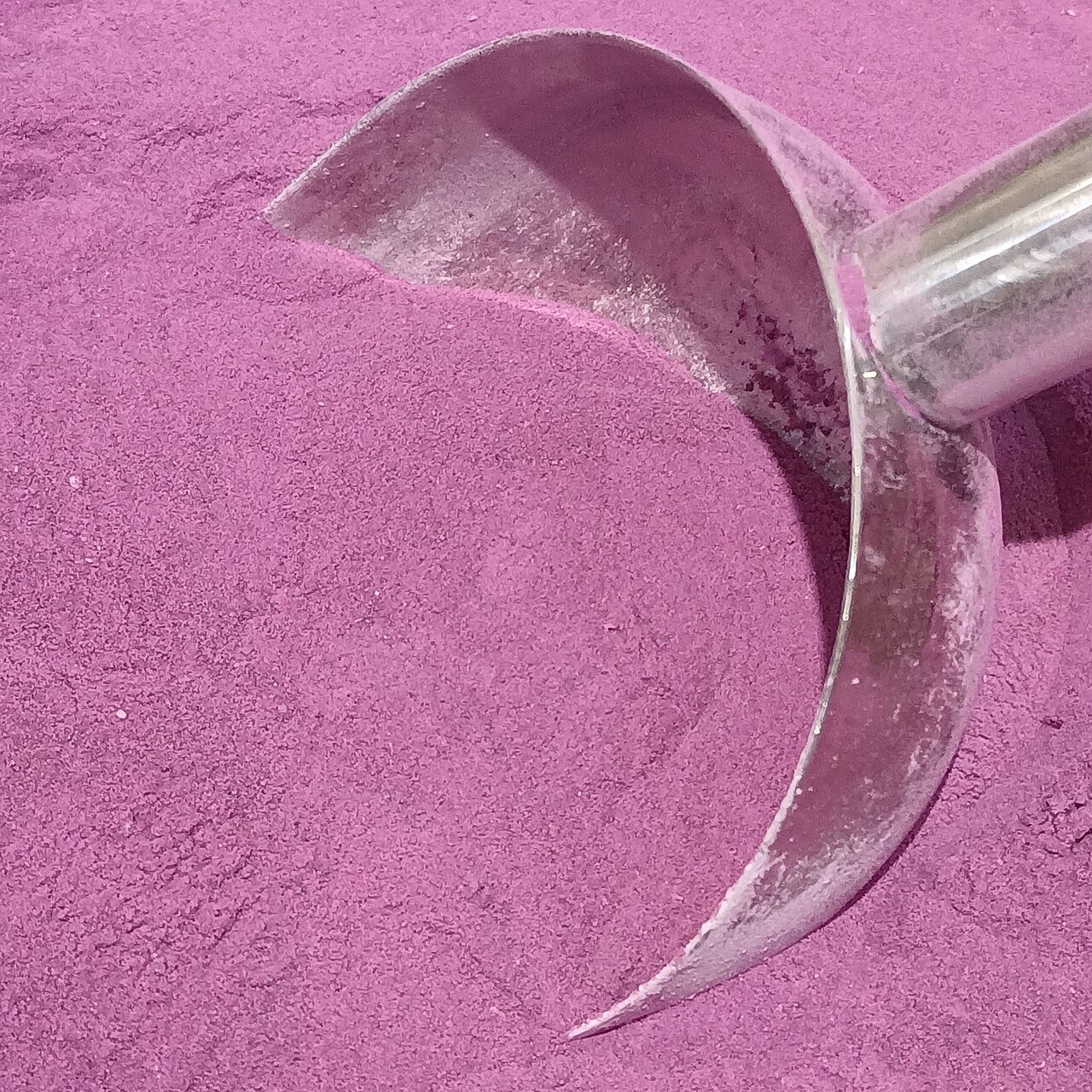
Taurine powder, 250 grams in the tub, 2 grams a scoop, 125 servings, which works out at about 14 cents a serving and under 7 cents a gram. Taurine is the second ingredient on most energy drink labels and one of the cheapest things on this shelf once you buy it on its own. A can holding 1 gram costs a few dollars. One gram of this taurine powder costs about 7 cents.
The numbers on the tub
| Ingredient | taurine, single ingredient, unflavoured |
|---|---|
| Chemistry | 2-aminoethanesulfonic acid, a sulfonic acid rather than a true amino acid |
| Serving | 2 g, with 125 servings in 250 g of taurine powder |
| Cost | about 14 cents a serving, 6.8 cents a gram |
| Solubility | complete in water, faintly bitter |
| Dietary sources | meat, fish and shellfish, not plants |
| Testing | identity and purity assayed every lot |
Why taurine powder is not strictly an amino acid
It is usually called one, including by people who should know better. Taurine has a sulfonic acid group where amino acids have a carboxyl group, so it is not incorporated into protein and does not appear in an amino acid profile. It circulates free, concentrated in muscle, heart, retina and brain tissue.
The practical consequence is that it is not a protein supplement and adding it to a powder does not raise that powder’s protein content, though its nitrogen will read on a nitrogen based test. That is one of the compounds behind amino spiking, which the protein page explains in full.
What the research administered
Exercise studies have mostly used 1 to 6 grams a day, often a single 1 to 3 gram dose before a test, measuring time to exhaustion, muscle damage markers and perceived exertion, with mixed results across small trials. A separate cardiology literature used 3 to 6 grams a day and measured ejection fraction and exercise capacity. Those are the doses given and the endpoints recorded, not claims about this tub.
Where taurine powder sits next to the other cheap powders
Creatine monohydrate, beta alanine, betaine and taurine powder are the four ingredients on this shelf that cost pennies a serving bought on their own and several times that inside a blend. Every powder on the performance page states each active in grams per serving rather than hiding them under a combined total.
That matters most for the cheap ones, because a blend total gives a manufacturer room to put in 200 mg of taurine powder and still print the name on the front of the tub. Buying singles and combining them yourself is slower and costs a fraction as much.
Diet, and who has less of it
Taurine occurs in animal tissue and essentially not in plants, and published measurements show lower plasma and urinary taurine in people eating vegan diets. The body also synthesises some from cysteine. That is a compositional fact about diets rather than a recommendation about this product.
The energy drink comparison, done properly
A standard can lists 1,000 mg of taurine alongside caffeine, sugar and B vitamins, and sells for several dollars. Buying the single ingredient and adding it to whatever you already drink is how people reach the studied amounts without paying drink prices, and the caffeine then becomes a separate decision with its own number on its own label.
Mixing it
Two grams dissolves clear in cold water in a few seconds with a faint bitterness that disappears in juice. It needs no flavouring and nothing is added here to provide any. Use the scoop: a sweet tasting powder measured by eye drifts, and this one is cheap enough that there is no reason to guess.
Testing
Every lot of taurine powder is identity tested and assayed for purity by an independent laboratory, with heavy metals and microbials screened alongside, and under specification material is withdrawn with the report left published. The NIH fact sheet on supplements for exercise and athletic performance names the doses studied. Your certificate is linked above.

Reviews
There are no reviews yet.