
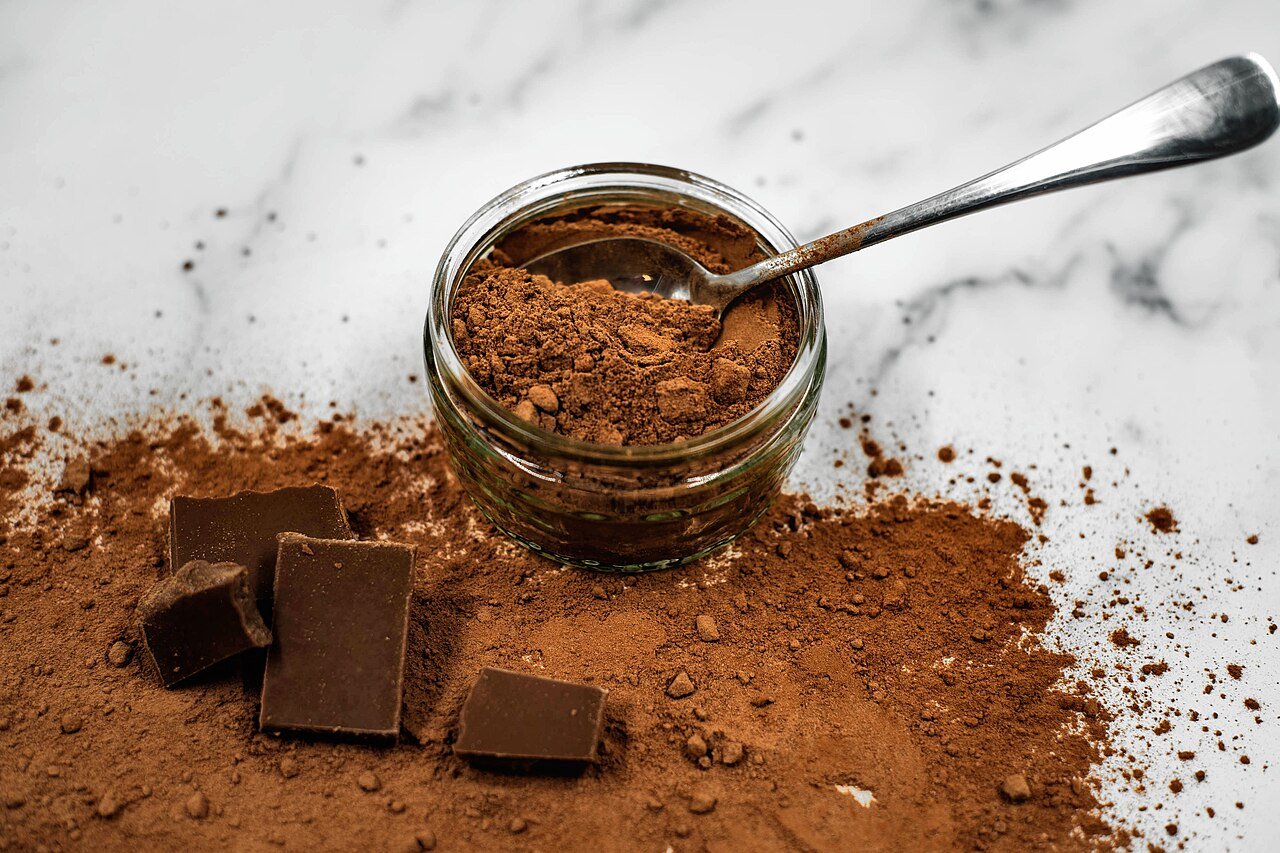
Description
Plant protein in chocolate, a pea and rice blend, 2 pounds to the bag, with grams per scoop and the lot heavy metal panel both printed on the listing. The pairing is not a marketing decision. Pea protein is low in methionine and high in lysine, rice protein is the reverse, and a plant protein that blends the two covers both shortfalls where either alone would leave one open.
What is in the bag
| Proteins | yellow pea isolate and brown rice isolate |
|---|---|
| Amino profile | full breakdown published per lot, not a claim of completeness |
| Flavour | chocolate |
| Net weight | 2 lb, with grams per scoop and scoop weight both printed |
| Metals | lead, cadmium, arsenic and mercury screened on every lot |
| Free from | dairy, egg and soy protein |
| Price basis | per gram of protein, printed under the price |
Why the two proteins are blended
Methionine and lysine are the limiting amino acids in peas and rice respectively, and the shortfalls sit in opposite places. Combine them and the profile fills in. That is a compositional fact you can read off an amino acid table rather than a nutritional theory, and the figures for your lot are published so you can check the ratio actually achieves it.
What we will not print is the phrase complete protein with nothing behind it. The protein page publishes methionine and lysine in milligrams per serving for every plant item on the shelf, because that is the only way the claim can be audited by the person paying for it.
Heavy metals, the real question with any plant protein
Rice takes up arsenic and cadmium from soil and water more readily than most crops, and isolating the protein concentrates whatever came with it. This is the genuine quality issue in the category and it is measured rather than discussed. Every lot is screened for lead, cadmium, arsenic and mercury by an outside laboratory and the panel is published with the listing.
A bag with no published metals panel is not necessarily contaminated. It is simply unverified, and in a category where rice is a major ingredient that is a meaningful difference. Our certificate guide explains which lines on the report carry the answer.
Scoop weight against grams of protein
A chocolate plant protein carries cocoa, sweetener and often a gum, and all of it counts toward scoop weight while none of it counts as protein. A 35 gram scoop yielding 24 grams is 69 percent by mass. Both numbers are printed here and the percentage follows from them, which is how a thin scoop behind a cheap bag price becomes visible.
What the comparison trials found
Studies feeding matched protein doses, generally 20 to 48 grams, have measured strength, muscle thickness and body composition across eight to twelve weeks of resistance training, and differences between blended plant protein and whey at matched doses were mostly small. That describes the published results and the amounts used. It is not a claim about this bag.
What a plant protein blend cannot do
It cannot match whey on leucine per gram without help. Whey runs around 10 to 11 percent leucine and a pea and rice plant protein sits lower, which is a compositional fact rather than a criticism. The trials feeding matched total protein found small differences, and the ordinary workaround is eating slightly more of it. We print the leucine figure per serving instead of letting a complete amino profile stand in for it, because a complete profile and a high leucine profile are two different statements.
Mixing and texture
Plant proteins are grittier than whey and no processing step fully removes that. It blends smoothly in a shaker with 350 ml or more of liquid, and it thickens if left standing. Anyone who finds the texture a problem will find it a problem with every powder in this category, which is worth knowing before buying two pounds of it.
Testing
Every lot of this plant protein is checked for protein content by a method that is not nitrogen alone, a full amino acid breakdown, heavy metals and microbials, on every lot, by a laboratory with no ownership link to this business. Under strength lots are withdrawn and the report stays public. The NIH fact sheet on supplements for exercise and athletic performance covers the dose ranges studied.

Lena K. (verified owner) –
Does what I bought it for without any fuss.
Yara H. (verified owner) –
Arrived in two days, sealed, with the batch number matching the certificate.
Lena K. (verified owner) –
Better value than the one I was buying before, and the testing is published.
Mia F. (verified owner) –
Does what I bought it for without any fuss.
Mia F. (verified owner) –
Does what I bought it for without any fuss.
Dana R. (verified owner) –
Exactly what the label says. I checked the lab sheet before I ordered.
Aisha M. (verified owner) –
Does the job. Nothing remarkable either way.
Sam G. (verified owner) –
Good product, packaging could be sturdier for posting.
Owen D. (verified owner) –
Better value than the one I was buying before, and the testing is published.