
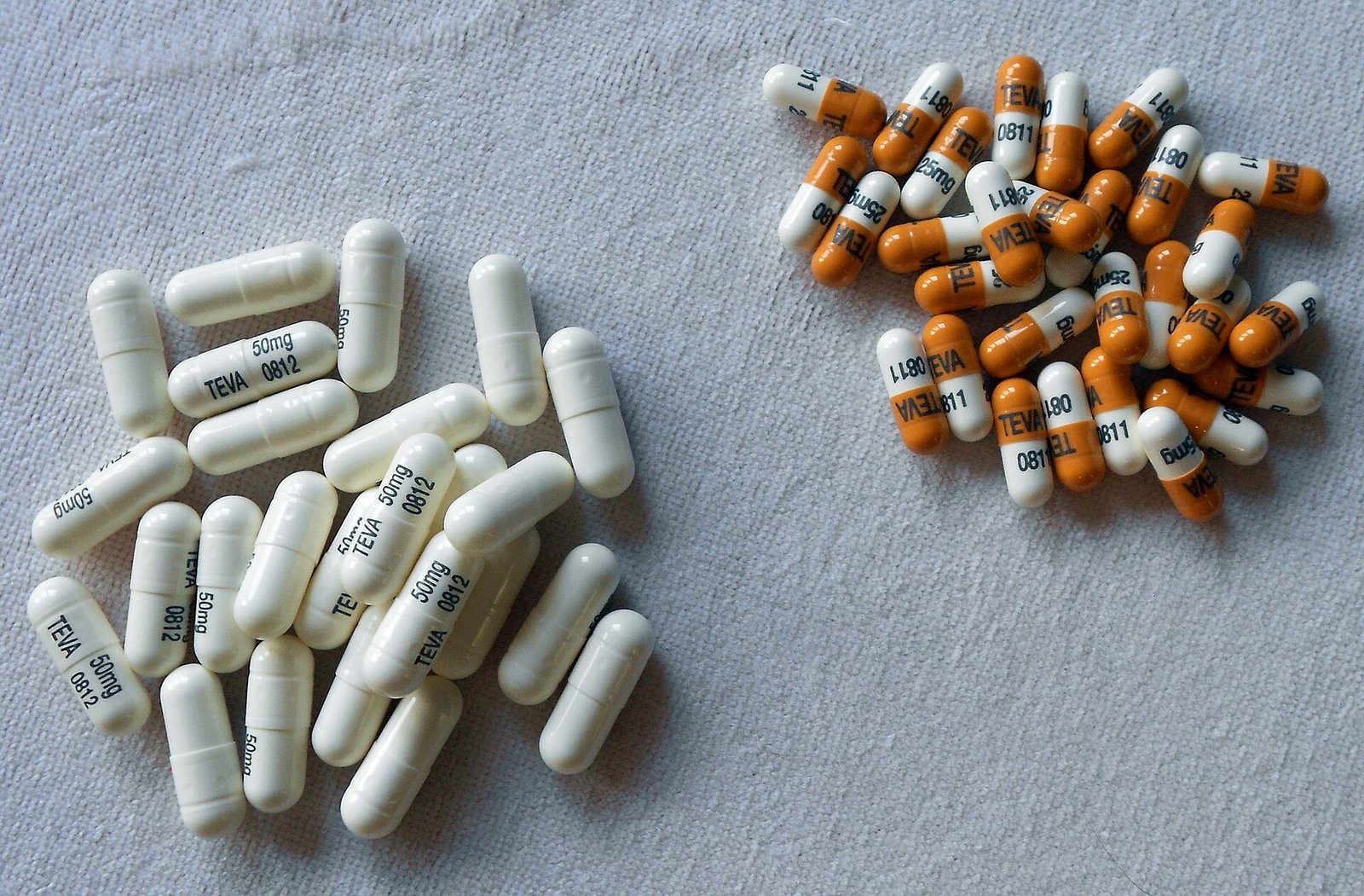
Description
Exemestane 25mg per tablet, thirty tablets to the box, 750 mg in total. Exemestane is a steroidal, irreversible aromatase inactivator, and in the United States it is an approved and marketed generic prescription medicine that is not a controlled substance. Research use only, not for human consumption, adults 21 and over, with purchase restrictions by state.
What the label states
| Compound | Exemestane |
|---|---|
| Content per tablet | 25 mg |
| Units per container | 30 tablets |
| Total content | 750 mg |
| Molecular mass | 296.4 approximately |
| Chemical class | Steroidal androstadienedione derivative |
| Controlled substance status | Not scheduled |
| US status | Approved, generic available |
| Sold as | Exemestane 25mg, research use only |
25 mg is the only strength approved for this compound anywhere, so there is no higher or lower unit to compare against. The count is the only variable, and the lot number on the carton is what ties exemestane 25mg to its certificate.
You will find exemestane 25mg under the ancillary reference materials in the anabolics reference materials catalogue.
Seven hundred and fifty milligrams in the box
25 mg across 30 tablets is 750 mg. At $64 that is about $0.085 per milligram, printed under the price. Compared with the 1 mg and 0.5 mg items on the same shelf this is cheap per milligram, and the reason is content per unit rather than anything about the compound itself.
Why price per milligram beats the price on the bottle explains the comparison and where it breaks down.
Exemestane 25mg is a steroid, not a triazole
The structure is 6-methylenandrosta-1,4-diene-3,17-dione, molecular mass about 296.4: a genuine steroid nucleus carrying an exocyclic methylene group at carbon 6 and two double bonds in the A ring. The triazole compounds two listings over share its enzyme target and nothing of its skeleton.
That structural difference is the reason the published literature calls this one an inactivator rather than an inhibitor: the mechanism described in vitro involves covalent modification of the enzyme rather than reversible occupancy of the active site. That is enzymology from the literature and not a statement about exemestane 25mg.
Regulatory status in the United States
Exemestane holds current United States approval, is supplied generically, and does not appear on any federal controlled substance schedule. Several compounds on the parent shelf are scheduled or unapproved, so stating the position for exemestane 25mg plainly is more useful than letting the category speak for it. The FDA’s drug approvals and databases holds the record, and the DEA publishes the schedules.
Traceability
Lot number first, everything else second. The number printed on the container is the key to the assay report, the receipt date, the method and the archive copy, and it is the only part of the label that cannot be reconstructed from the catalogue. Content per unit, container count and storage conditions for exemestane 25mg are also on the label and on the listing. If the two disagree, the label is the document that travelled with exemestane 25mg, so the label wins and we want to hear about it.
Purity, identity and what neither of them proves
HPLC purity says what fraction of the total peak area belongs to the expected compound. Mass spectrometry says the molecule is the molecule. Neither test says anything about sterility, endotoxin, particulate matter or the suitability of exemestane 25mg for any purpose at all, and a certificate that implied otherwise would be a worse document, not a better one. Content and purity are also distinct: a lot of this material can be chemically clean and still assay under its stated milligrams. Both figures appear, along with residual solvent in parts per million and the lot number printed on the label.
How to read a certificate of analysis sets out which field answers which question.
The part of the description that is missing
Pages in this category usually carry a paragraph about what the compound is for. The page for this material does not, and the gap is deliberate. No quantities for a person, no schedules, no sequences of compounds, no claims about anything that happens in a living organism.
Writing that paragraph is the specific thing regulators have acted on, and the research-use-only line underneath it has not helped the sites that tried. Research use only is not a legal strategy walks through the correspondence. The FDA’s drug section is where the agency publishes its own.
This is laboratory stock. Research use only for this item, not for human consumption, and not approved for administration to a person or an animal in any jurisdiction. Sales are limited to adults 21 and over and to states where the compound is lawful, which the listing states and the checkout applies. Lot certificates, current and historical, sit on the lab results page beside the note on price per milligram.

Reviews
There are no reviews yet.