
Description
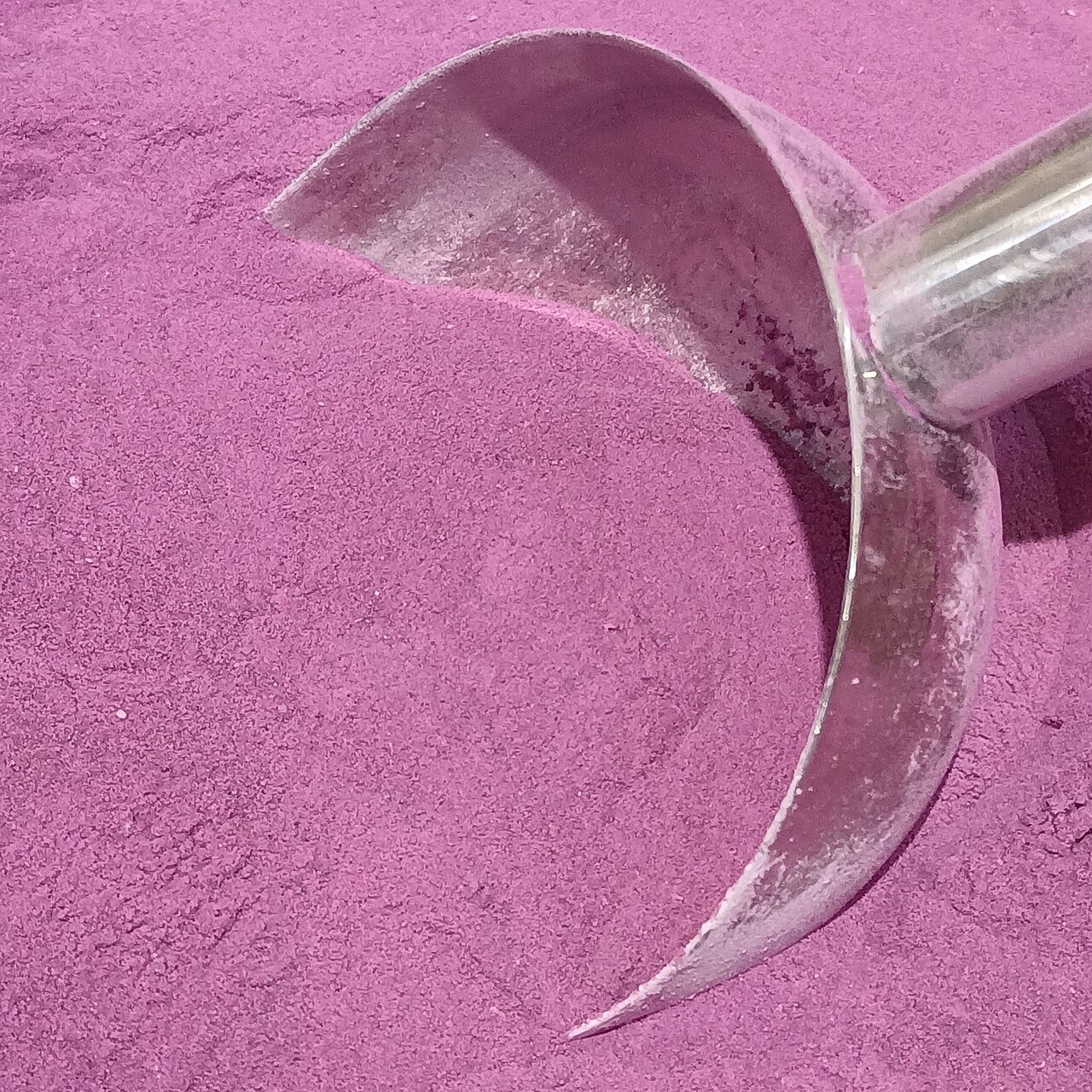
Acerola cherry powder is the whole fruit of Malpighia emarginata, spray dried at low temperature, and nothing else is in the tub. Net weight is 8 ounces, about 227 grams, and the label counts 56 servings, which works out near 4 grams a scoop and roughly 50 cents a serving. The powder is pink and genuinely sour. That is fruit acid and fruit solids, and it is the clearest sign that the ascorbic acid in this acerola cherry powder arrived attached to a piece of food rather than out of a fermentation tank.
Specification
| Ingredient | organic acerola fruit, spray dried, solids included |
|---|---|
| Species | Malpighia emarginata |
| Net weight | 8 ounces, 227 grams |
| Servings | 56, at about 4 grams each |
| Vitamin C | naturally occurring, assayed per lot rather than added |
| Additions | no maltodextrin carrier, no added ascorbic acid |
| Cost | about 50 cents a serving, near 12 cents a gram |
How much vitamin C is in acerola cherry powder
This is the question the category gets asked, and the honest answer is a range rather than a number. Ascorbic acid content in dried acerola moves with ripeness, harvest and drying temperature, which is why the figure for your lot sits on the certificate instead of being printed as a marketing average that would hold for one batch and not the next. For scale, the Office of Dietary Supplements puts the adult recommended intake at 75 mg for women and 90 mg for men, and the NIH vitamin C fact sheet carries the full table.
Put the assayed milligrams per scoop next to the price per scoop and you have a real comparison between this and any tablet. Do the same with any other acerola cherry powder on sale and the ones quoting fruit weight while leaving the assay off tend to look different.
Fruit powder against isolated ascorbic acid
Both are vitamin C and the molecule is identical in each. What differs is everything else in the tub. A fruit powder brings polyphenols, fruit acids, sugars and a little fibre with it, and it takes several grams of powder to carry the milligrams a small tablet of isolated ascorbic acid holds. Published absorption comparisons between food sourced and synthetic ascorbic acid have generally measured little difference between the two, which is worth knowing before paying a premium on absorption grounds. That describes the literature and makes no claim about this tub.
Testing
Every lot of acerola cherry powder is assayed by a laboratory this business has no stake in, for ascorbic acid content, for lead, cadmium, arsenic and mercury, and for microbials. A fruit powder is a concentrated food, so whatever was in the crop concentrates along with the good part. Lots that come back under their stated amount are pulled from sale and the failing report stays published. If the layout of a certificate is new to you, start with how to read a certificate of analysis, which takes about five minutes.
What the organic seal on acerola cherry powder covers
The organic seal is an agricultural standard, not a quality assay. It governs how the fruit was grown and handled, which synthetic inputs were prohibited and how the records were kept. It says nothing at all about ascorbic acid content and it does not replace a contaminant screen, which is why organic acerola cherry powder still goes to the laboratory for metals and microbials like everything else on the shelf. Two tubs can both be certified and assay differently. Read the seal for what it covers, then read the certificate for everything it leaves out.
Using the tub
Acerola cherry powder dissolves in cold water and it is sour enough to notice in plain water, so most people put it in juice or a smoothie. Heat degrades ascorbic acid, so stirring a scoop into something boiling wastes part of it. Keep the lid tight, keep the tub out of sunlight, and use the scoop rather than a spoon if you want the serving size to mean anything.
This tub sits on the greens and wholefood page next to the camu camu and the baobab, and the isolated and buffered forms are on the vitamins page if milligrams per cent is what you are after. Price per gram is printed under the price, for the reason set out in why price per milligram beats the price on the bottle.


Reviews
There are no reviews yet.