
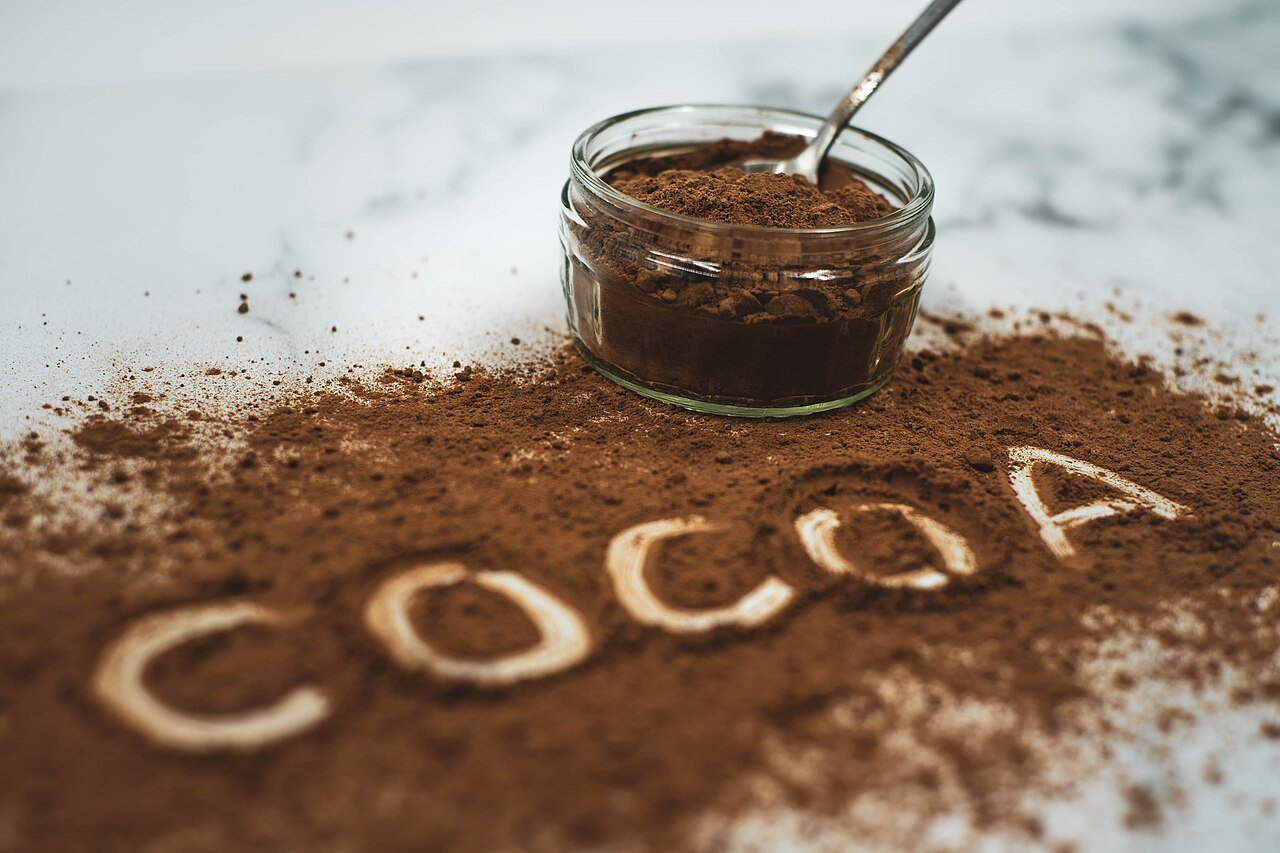
Description
Fifty grams of water soluble CBD powder at a 20 percent load, which is 10,000 mg of cannabidiol in the jar. Nano emulsified for mixing into drinks, which is the only reason a powder like this exists: cannabidiol is an oil and will not dissolve in water without being emulsified first, and the other 80 percent of this jar is the system that does that.
What fifty grams of water soluble cbd powder holds
A load percentage, a weight and the conversion between them. The certificate does that conversion per lot rather than the label promising it.
- Water soluble CBD powder: 50 g at a 20 percent load, so 10,000 mg of cannabidiol
- The other 80 percent: the emulsifier and carrier system, named on the label
- Form: free flowing powder that disperses in cold water
- Delta-9: figure printed on the certificate
- Sold as: bulk material by weight, not portioned into servings
- Price: $139 a jar, with the price per milligram printed under it
Twenty percent is the honest headline
A jar of water soluble CBD powder is mostly not cannabidiol, and the load figure says so. Fifty grams at 20 percent gives 10,000 mg of active and 40 grams of gum acacia, modified starch or similar, which is the delivery system rather than filler in a pejorative sense: it is what makes the powder disperse. One hundred and thirty nine dollars across 10,000 mg is one and four tenths of a cent a milligram, which is dearer than plain isolate in the bulk and isolate range and that difference is what the emulsion costs.
What nano emulsified actually means
That the oil has been broken into droplets small enough to stay suspended in water rather than floating to the top. Smaller droplets give a clearer liquid and a more stable suspension, which is why a well made water soluble CBD powder gives a cup that does not separate and a badly made one leaves a ring. The emulsifier is named on the ingredient list rather than described as a technology, and droplet size is the specification behind the word nano.
Using water soluble cbd powder, and weighing it
A gram of this powder is 200 mg of cannabidiol, so a quarter gram is 50 mg. Use a scale that reads to a hundredth of a gram, since volume measures are unreliable with a powder and the difference between a level and a heaped spoon is larger than most of the amounts anyone is aiming at. It disperses in cold water without a shaker. Nothing on this page suggests a quantity to take, because material sold by weight is not a serving.
Testing
Every lot of water soluble CBD powder is assayed by an independent laboratory: the cannabinoid profile with the load percentage stated, residual solvents in parts per million next to the action limits, heavy metals, pesticides and microbials. Uniformity matters on an emulsified powder, because a jar can average correctly and still be uneven, so the certificate reports the assay in a way that reflects that. Lots under their stated load are withdrawn and the failing certificate stays published, as this note explains.
What the absorption literature does and does not say
Emulsified cannabinoids are usually sold on an absorption argument and the published position is thinner than the marketing. Pharmacokinetic studies have reported that particle size and the presence of fat both change how much cannabidiol reaches blood, with a high fat meal raising levels several fold compared with fasting, and that water dispersible preparations can behave differently from oils. Head to head human data on specific commercial emulsions is scarce. That describes the evidence rather than this jar, and reference material on supplement absorption is published by the NIH Office of Dietary Supplements.
Keep it sealed and dry, because emulsified powders take up moisture and cake. The certificate for the current lot is linked here.

Reviews
There are no reviews yet.