
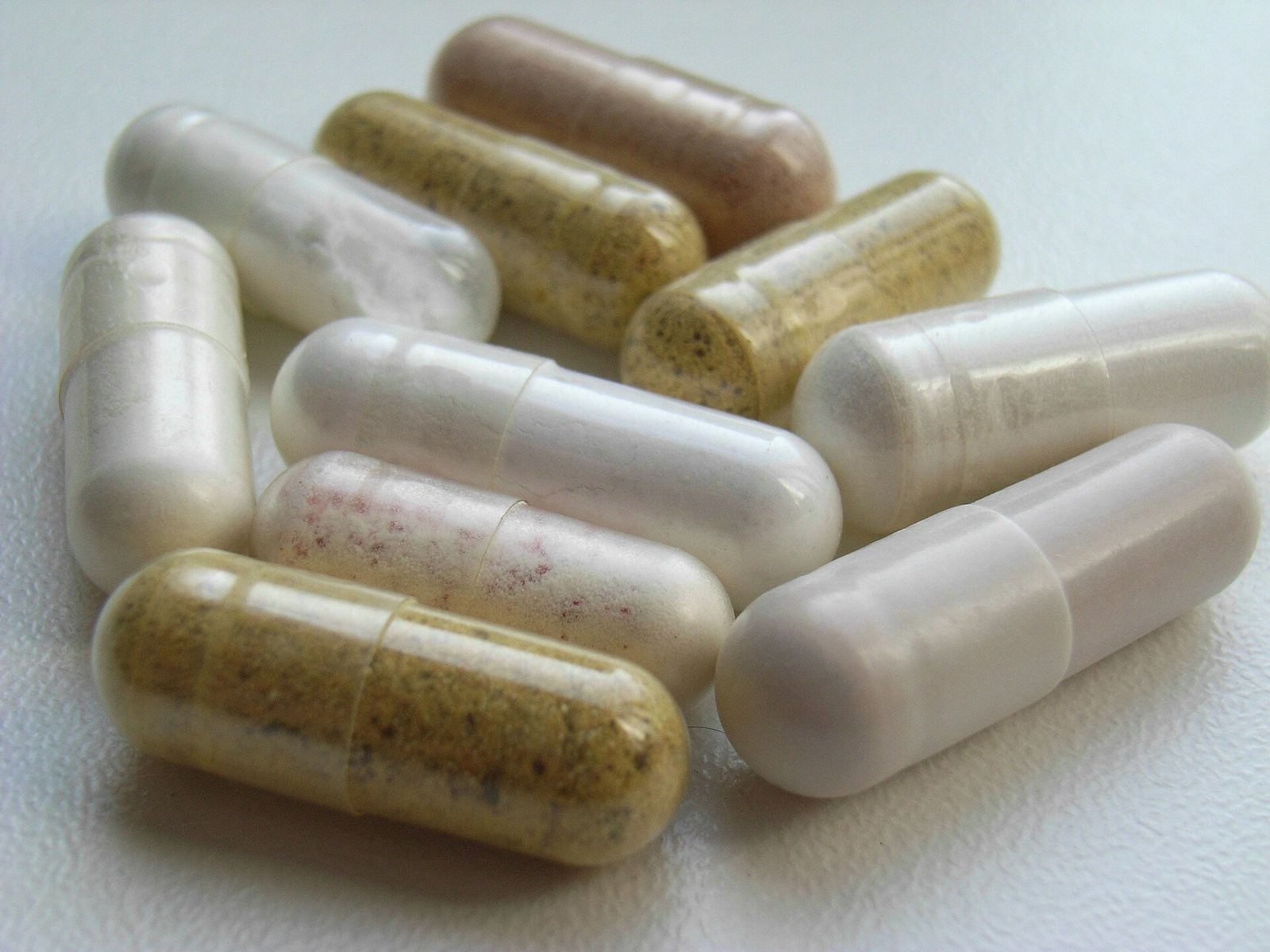
Description
Tongkat ali as a 200 to 1 root extract, with the eurycomanone percentage stated on the panel rather than left to the imagination. The plant is Eurycoma longifolia, a slow growing Southeast Asian tree, and the part used is the root. Tongkat ali is one of the most heavily adulterated botanicals in retail, which is the reason a marker percentage matters more here than almost anywhere else on the site.
On the panel
| Plant | Eurycoma longifolia, root, not stem or leaf |
|---|---|
| Extract ratio | 200:1, so 200 kg of root yields 1 kg of powder |
| Marker | eurycomanone, percentage stated and assayed |
| Extraction | water based, which is what the trials used |
| Not | raw milled root powder sold by weight |
| Heavy metals | screened on every lot, with mercury and lead reported |
| Price basis | per milligram of extract, under the price |
Why tongkat ali needs a marker and a ratio
A 200:1 figure describes concentration, not potency. It says 200 kilograms of root produced one kilogram of powder, and it says nothing about how much eurycomanone survived the process. Published analyses of retail samples have found wide variation in that marker, including products where it was barely detectable.
So both numbers belong on a label: the ratio and the measured percentage. Extract ratio, plant part and marker compound are the three figures that make any botanical comparable, as set out on the herbals page.
The contamination finding that belongs on the page
Surveys of tongkat ali products sold in Southeast Asia have reported mercury and lead above food limits in a proportion of samples, along with undeclared pharmaceutical adulterants in some products marketed for the same purpose.
That is published analytical work rather than a scare, and it is the reason every lot here carries a metals panel and an identity test that are printed rather than promised. The reasoning is in check the lab before you check the numbers.
What the trials used, and what they measured
Human studies have mostly given 200 to 400 mg a day of a standardised water extract over four to twelve weeks, with endpoints including serum testosterone, cortisol, stress questionnaire scores and hand grip strength. The trial count is modest and several were supported by ingredient manufacturers. That describes the published literature and its doses, and it is not a claim about this bottle.
Why tongkat ali costs what it does
The tree takes years to reach a harvestable root, the root is the only part worth extracting, and a 200:1 concentration means 200 kilograms of it yields a single kilogram of powder. Those three facts set the floor on the price of real tongkat ali.
Which is also why adulteration is common. A cheap bottle of tongkat ali is cheap for a reason, and the reason shows up on an identity test rather than on a label. We publish the identity and marker results per lot so that the price has something attached to it.
Water extract against raw root
The studied material is a water extract, not milled root, and the two are not interchangeable by weight. Raw root powder is cheap, bulky and almost never carries a marker figure. A concentrated extract costs more per gram and can be matched to a protocol, which is the only reason to pay the difference.
Testing
An independent laboratory confirms species identity, measures the eurycomanone percentage and screens heavy metals, pesticides and microbials on every lot of tongkat ali. Failing material is withdrawn and the certificate stays published rather than being replaced quietly.
Reference reading
For a free government summary of what has and has not been studied in individual plants, the NCCIH herbs at a glance series is the place to start. This listing sits with the rest of the men’s range on the men’s page, where every botanical states its marker percentage, and your lot certificate is linked above. A 200 to 1 ratio means 200 kilograms of root yielded one kilogram of powder, so tongkat ali at this concentration is not comparable by weight with the raw root sold beside it.


Elena V. (verified owner) –
The price per milligram made the comparison obvious. Switched from a pricier brand.
Aisha M. (verified owner) –
Better value than the one I was buying before, and the testing is published.
Kyle S. (verified owner) –
Exactly what the label says. I checked the lab sheet before I ordered.
Priya S. (verified owner) –
The price per milligram made the comparison obvious. Switched from a pricier brand.
Carl W. (verified owner) –
Does what I bought it for without any fuss.
Marcus T. (verified owner) –
The price per milligram made the comparison obvious. Switched from a pricier brand.
Yara H. (verified owner) –
Solid. Slightly gritty when mixed but dissolves if you wait.
Nina P. (verified owner) –
Does what I bought it for without any fuss.
Owen D. (verified owner) –
Exactly what the label says. I checked the lab sheet before I ordered.