

Description
Quercetin phytosome at 250 mg a serving, complexed with sunflower lecithin, 60 servings at about 73 cents each. The point of a quercetin phytosome is absorption rather than potency. Plain quercetin dihydrate is very poorly soluble and poorly absorbed, which is the central problem with the ingredient, and complexing it with a phospholipid is one of the formulation routes developed to address that.
What is in the capsule
| Active | quercetin phytosome, 250 mg per serving |
|---|---|
| Complexed with | sunflower lecithin, so no soy derived phospholipid |
| Compare with | plain quercetin dihydrate, sold at 500 to 1,000 mg |
| Servings | 60 per bottle, about 73 cents each |
| Taken with | food containing fat |
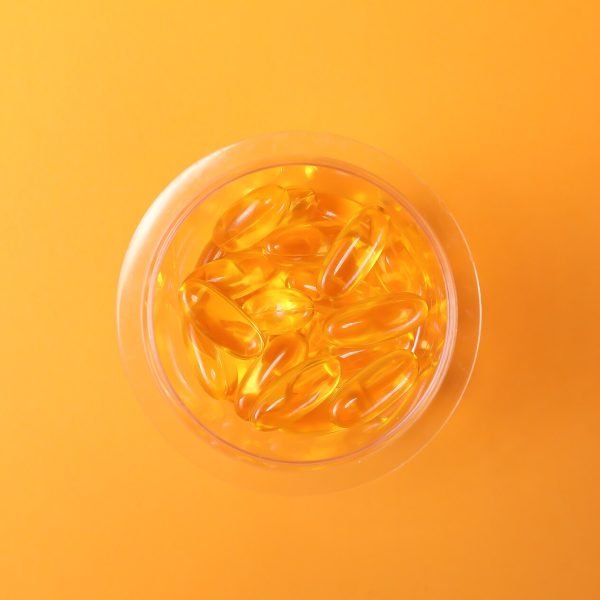
| Colour | yellow, as the flavonol is |
| Testing | identity and assay per lot |
Why a quercetin phytosome costs more per milligram
Because the complexing step is a manufacturing process with a licence fee behind it, and because the milligram figure on a phytosome includes the phospholipid as well as the flavonol. So 250 mg of complex is not 250 mg of quercetin, and anyone comparing it against a 500 mg capsule of the plain compound on weight alone will reach the wrong conclusion in both directions.
Published pharmacokinetic comparisons measured substantially higher plasma quercetin concentrations from phytosome formulations than from unformulated powder at equivalent flavonol content. That describes those measurements. It is not a claim about what either product does, and both are stocked on the herbals page with the price per milligram printed so the trade off is visible.
What the research administered
Human studies using phytosome quercetin have generally run 250 to 500 mg a day over two to twelve weeks, with endpoints including plasma quercetin concentrations, inflammatory and oxidative markers, and symptom questionnaires. Studies on the unformulated compound used far larger amounts, often 500 to 1,000 mg twice daily. Those are the doses given and the measurements taken in the literature rather than statements about this bottle.
Sunflower rather than soy
Phytosome complexes are built on phospholipids, and the cheapest source of those is soy lecithin. This one uses sunflower lecithin, which matters to anyone avoiding soy derived ingredients. The source is named on the panel rather than listed as lecithin, because lecithin on its own does not tell you which plant it came from.
Phytosome, liposome and the other formulation words
These terms get used loosely and they describe different things. A phytosome is a compound complexed with phospholipid at a defined molar ratio. A liposome is a vesicle with the compound inside it. Micronised simply means ground finer. Only the first of those describes a quercetin phytosome, and a label using the words interchangeably is describing marketing rather than chemistry.
How many capsules, and for how long
Sixty servings at one a day is two months, which covers most of the published study periods for a quercetin phytosome and all of the short ones. Servings per container is printed beside the serving size, because a bottle that runs out halfway through any studied period is an odd purchase whatever the price per capsule looks like.
Where quercetin occurs in food
Onions, apples, capers and tea, in amounts that add up to a few tens of milligrams a day in an ordinary diet. A 250 mg serving is therefore several times a typical dietary intake, which is the sort of scale figure worth having before buying any isolated flavonoid. The NIH fact sheet library is the free reference for how federal reviewers handle compounds with no established intake.
Interactions
Flavonols at supplemental amounts can affect drug metabolising enzymes and transporters, so anyone on prescription medication should raise a quercetin phytosome with a pharmacist before starting. That is the most useful sentence on this page and it belongs above the chemistry rather than below it.
Testing
Every lot of quercetin phytosome is identity tested and assayed by an independent laboratory, with heavy metals, residual solvents and microbials on the same certificate, since a complexed flavonol is a processed material rather than a milled plant. Under strength lots are withdrawn and the failing report stays published, and our certificate guide explains which lines matter most.


Reviews
There are no reviews yet.