
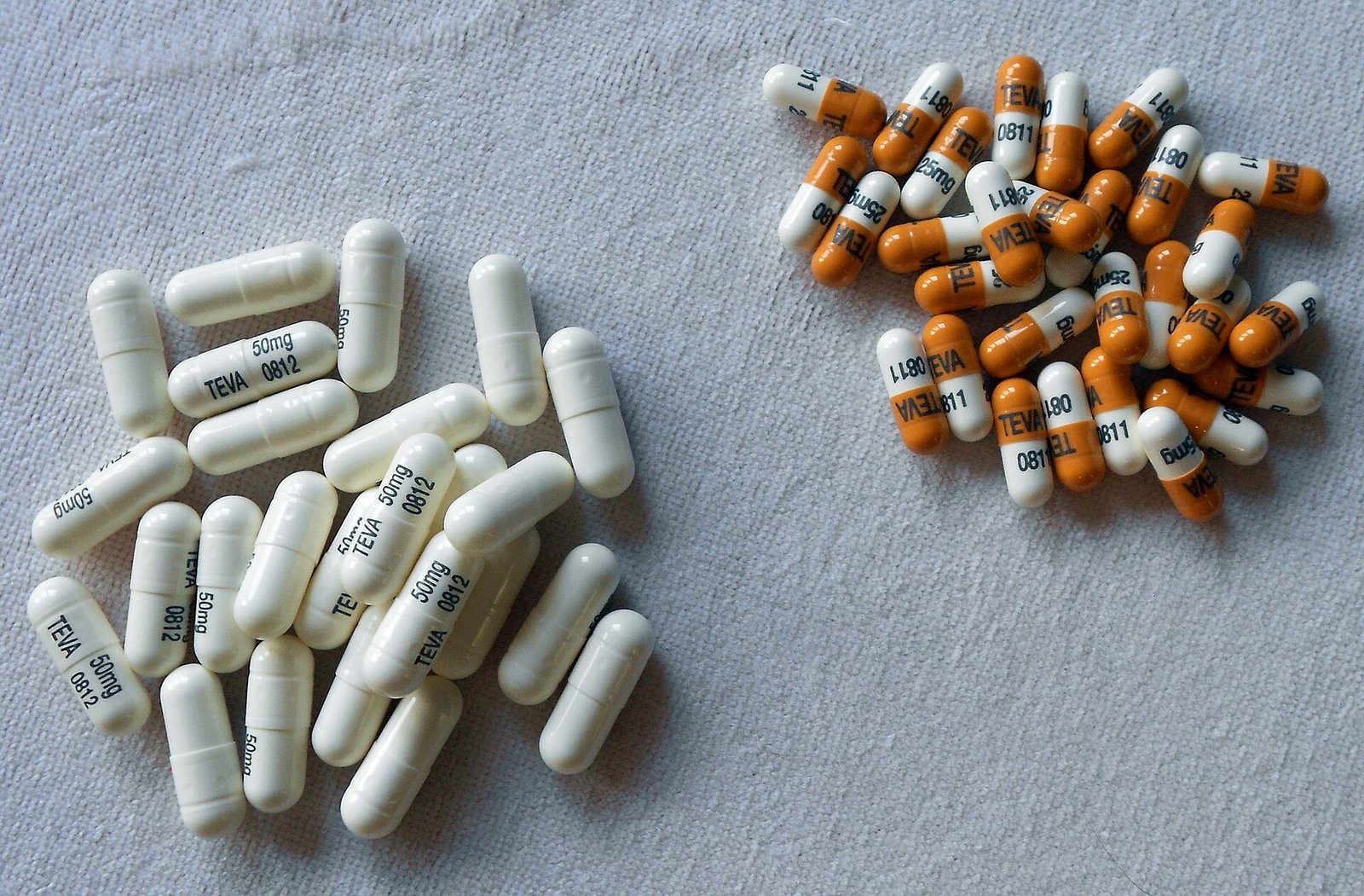
Description
Apigenin 50mg a capsule, isolated from citrus, 60 capsules to the bottle at about 40 cents a serving. Apigenin is a flavone, chemically 4′,5,7-trihydroxyflavone, and the reason an isolate exists at all is arithmetic. A cup of chamomile tea carries apigenin in single digit milligrams, mostly as the glucoside, so matching one apigenin 50mg capsule from the teapot would mean a great deal of tea. That gap is the whole commercial case for the ingredient, and it is worth understanding before choosing between the two.
Specification
| Active | apigenin 50 mg per capsule, free aglycone form |
|---|---|
| Source | citrus derived |
| Chemistry | 4′,5,7-trihydroxyflavone, a flavone |
| Servings | 60, one capsule each |
| Cost | about 40 cents a serving, 0.8 cents per milligram |
| Bottle total | 3,000 mg of the flavone |
| Solubility | poorly water soluble, usually taken with food containing fat |
What the apigenin 50mg literature actually consists of
Here is the unflattering version, which is the only one worth printing. The great majority of published apigenin research is cell culture and animal work, much of it at concentrations with no straightforward human equivalent. Human trials on the isolated flavone are few and small. There is a larger body of work on chamomile extracts, in which apigenin is one constituent among many, and those studies measured sleep diary and anxiety scale outcomes at defined extract doses. None of that is a claim about this capsule. It is a description of where the evidence sits, and it sits thinner than the popularity of the ingredient suggests.
We stock it because people want the isolate at a stated weight rather than an unstated amount inside a blend, and because 50 mg is the step most of the market has settled on. Our note on what starting low actually means is the general version of that caution.
Apigenin 50mg against a cup of chamomile
Run the numbers and the two stop looking like alternatives. Published analyses of chamomile infusions put apigenin and its glucosides in the low single milligrams per cup, moving with the flower, the water temperature and the steeping time. An apigenin 50mg capsule is therefore an order of magnitude away from a mug of tea, and nobody drinks ten cups at bedtime. That is the arithmetic case for an isolate. The case against it is that chamomile tea has been drunk for centuries while a purified flavone at 50 mg has a much shorter record behind it.
Why apigenin 50mg is taken with food
This flavone is poorly soluble in water, which is a measurable property rather than a talking point. Formulators handle it three ways: leave it as a plain aglycone powder and let a meal do the work, complex it with a phospholipid, or micronise it. This is the plain apigenin 50mg powder in a capsule, so the panel suggests food. For the phospholipid approach, the quercetin phytosome on the herbals page is the same idea applied to a related flavonoid, and the price gap between them shows what that formulation step costs.
The aglycone and the glucoside
Plants mostly store this flavone as apigenin-7-glucoside, a sugar bound version, while the isolate sold in capsules is usually the free aglycone. The two are not interchangeable milligram for milligram on a label, because the glucoside weighs more for the same flavone content. Our panel states which form is in the capsule. If you would rather take the whole flower than an isolate, the standardised chamomile extract on the sleep and calm page prints its own apigenin percentage.
Testing
Every lot of apigenin 50mg is identity tested and assayed by an independent laboratory, with heavy metals, residual solvents and microbials screened alongside. Flavone isolates are purified using solvents, so the solvent residue line is the one to read first on this certificate. Under strength lots are withdrawn and the failing certificate stays published, for the reason given in why we publish the batch that failed.
Reference reading
Flavones have no established intake reference, so there is no official figure to measure a capsule against. The NIH Office of Dietary Supplements fact sheet library is still the best free place to see how a government reviewer summarises evidence, and the contrast with how flavone isolates are usually marketed is instructive. The lot certificate is linked above and archived on lab results.


Reviews
There are no reviews yet.