
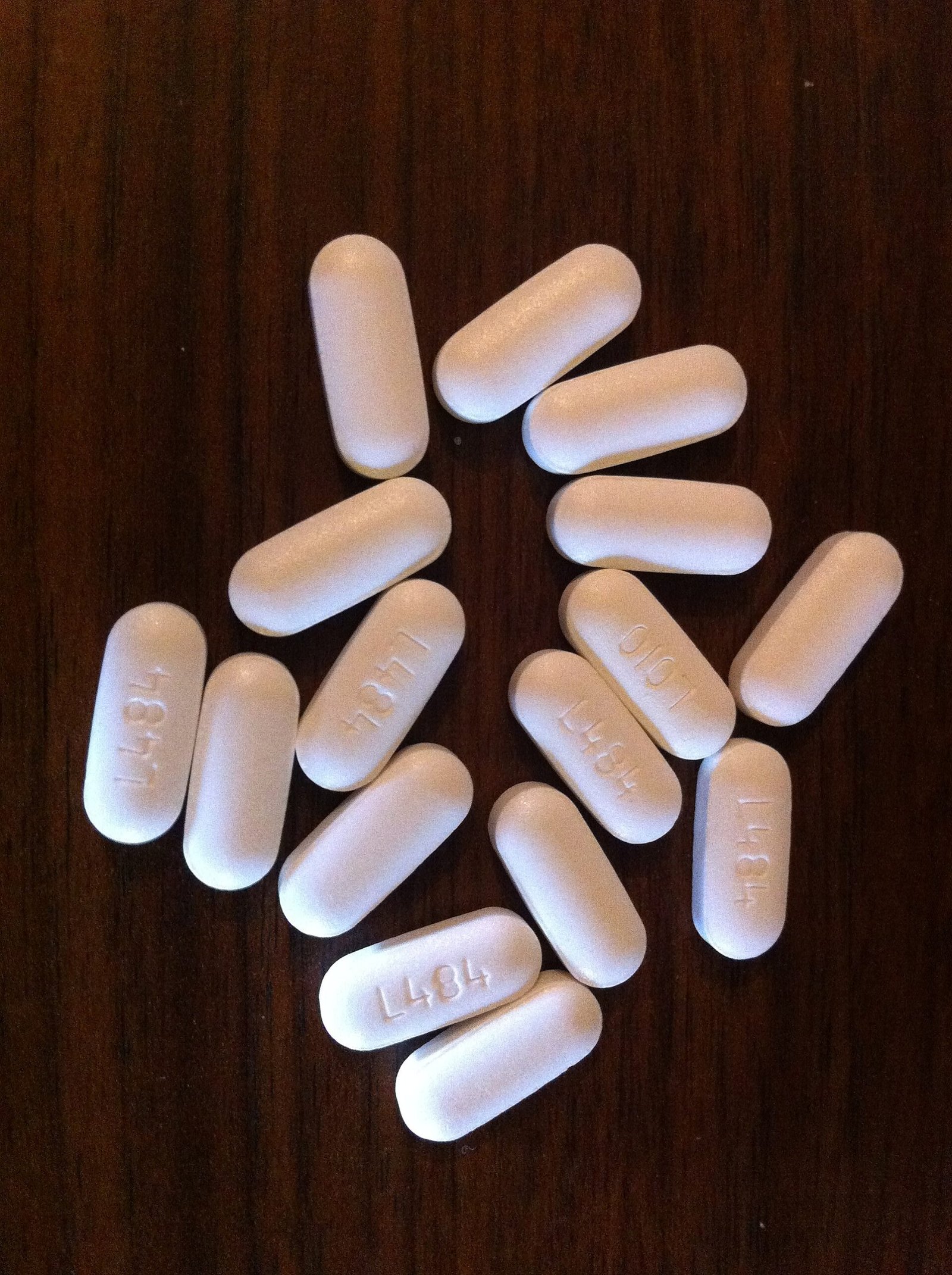
Description
Devils claw root, Harpagophytum procumbens, from southern Africa, standardised to 2 percent harpagosides, 60 servings at about 40 cents each. The plant is a fixture of European herbal pharmacy and still uncommon on American shelves. What makes a devils claw root label meaningful is the marker percentage beside the extract weight, because the two together give you milligrams of harpagosides and nothing else does.
On the panel
| Plant | Harpagophytum procumbens, secondary root tubers |
|---|---|
| Standardisation | 2 percent harpagosides, assayed per lot |
| Arithmetic | 2 mg of harpagosides per 100 mg of extract |
| Origin | southern Africa, where the plant grows wild |
| Servings | 60, about 40 cents each |
| Taste | bitter, which is characteristic of the root |
| Price basis | per milligram of harpagosides |
Doing the harpagoside arithmetic on a devils claw root label
A 2 percent extract carries 2 mg of the marker per 100 mg of extract, so the extract weight on the panel decides how many capsules a published amount takes. That is the calculation to make before comparing two bottles, and it is the one the front label never does for you.
Extract ratio, plant part and marker percentage are the three figures that make any botanical comparable, as the herbals page sets out at length. On this plant the plant part is the one most often fudged, because the tuber and the primary root are different material.
What the trials administered
Published studies have generally used extracts supplying 50 to 100 mg of harpagosides a day, over four to twelve weeks, with WOMAC scores, pain visual analogue scales and rescue medication use as the measured endpoints in osteoarthritis and low back pain protocols. Several compared the extract against an anti inflammatory drug rather than against placebo.
Those are the doses administered and the instruments read in the literature, and the harpagoside figures involved are substantially larger than a single capsule of a 2 percent extract provides. We print that comparison rather than leaving the arithmetic in a footnote, and none of it is a claim about this bottle.
Devils claw root against the structural joint ingredients
Glucosamine, chondroitin and collagen are structural materials taken in grams. Devils claw root is a bitter botanical standardised on a marker compound and taken in milligrams. The two groups are not alternatives in any mechanical sense, and a formula mixing them at token amounts of each is the usual way both end up underdosed. Everything on this shelf states its own figure instead.
Why the extract tastes bitter
Iridoid glycosides, the compound family the harpagosides belong to, are bitter. A devils claw root capsule that tastes of nothing has either been coated or is not carrying much extract, which is a crude check and not a useless one.
Secondary tubers, and why the part matters
The harvested material is the secondary root tuber, not the taproot, because taking the taproot kills the plant. That is a sustainability point with a composition consequence: the two parts differ in marker content, so plant part is a specification and not a provenance story.
Wild harvest, stated without decoration
Devils claw root is not farmed at scale and the supply chain runs through rural harvesters in Namibia, Botswana and South Africa. That is a genuine supply chain fact, and also a source of batch variation in marker content. We state the origin our supplier documents and leave the rest unsaid rather than printing a story about it.
Who should ask first
Anyone on an anticoagulant, anyone with a gastric or duodenal ulcer, and anyone taking a medicine with a narrow therapeutic window. The plant is bitter and stimulates gastric secretion, and several reviews note interaction potential. A pharmacist is the right person for that conversation.
Testing
Every lot of devils claw root extract is identity tested by laboratory method, assayed for harpagoside content, and screened for heavy metals, pesticides, aflatoxins and microbials. Off identity or under strength material is withdrawn and the certificate stays published. The rest of this shelf is on the joint and bone page, and a free government summary of the plant literature sits at the NCCIH herbs at a glance series.


Reviews
There are no reviews yet.