
Description
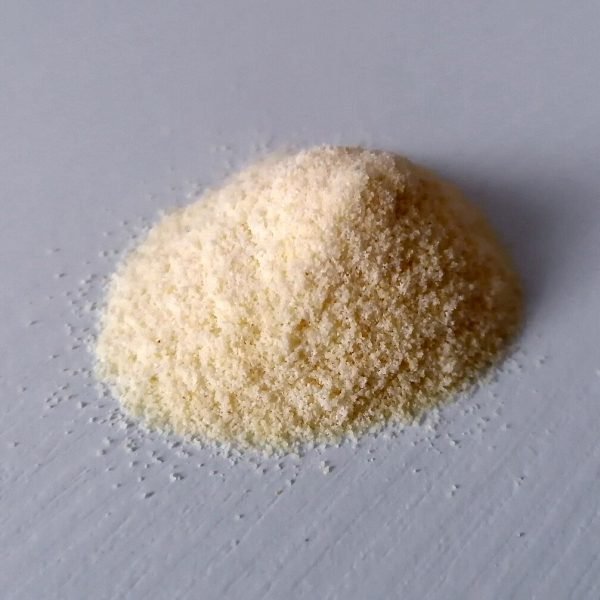
Chondroitin sulfate at 1,200 mg a serving, from bovine cartilage, sold on its own rather than folded into a combination tablet. Sixty servings, about 57 cents each. The reason to buy chondroitin sulfate separately is arithmetic: the trials used a specific daily amount, and a combination tablet gives you whatever its formulator had room for after the glucosamine went in, which is usually less.
On the panel
| Active | chondroitin sulfate, 1,200 mg per serving |
|---|---|
| Source | bovine cartilage |
| Purity | stated as a percentage and assayed on every lot |
| Servings | 60, about 57 cents each |
| Units per serving | printed beside the servings per container |
| Price basis | per gram of the glycosaminoglycan |
| Pairs with | glucosamine sulfate, sold separately here |
Why a chondroitin sulfate label needs a purity figure
This is one of the most expensive raw materials in the joint aisle, which makes it one of the most diluted. Independent testing programmes have repeatedly found products assaying well below their stated amount, and the substitutions are hard to spot: cheaper glycosaminoglycans, low molecular weight fragments, or simple shortfall.
A purity percentage with an assay behind it is the answer, and it has to be measured on the finished lot rather than taken from a supplier certificate. The quantity on the front of the bottle means nothing without it, which is the general argument in how to read a certificate of analysis.
What the trials administered
The large American trial that most people have read about used 1,200 mg of chondroitin sulfate daily, given as 400 mg three times, alone and alongside 1,500 mg of glucosamine, and measured WOMAC pain scores over six months. European studies of pharmaceutical grade material used 800 mg daily and measured joint space on radiographs across two years.
Those are the doses administered and the instruments read in the published work, and the results across that literature are genuinely mixed rather than uniformly positive. Stating both facts is a description of the evidence, not a claim about this bottle.
Molecular weight, which labels rarely mention
Chondroitin is a long chain molecule and its average molecular weight varies with the source and the processing. The European trials used material with a defined specification; much of what is sold worldwide does not state one at all. Where our supplier specifies it, the figure appears on the certificate rather than being left as an implication.
Bovine, porcine and shark
All three are used commercially and they differ in sulfation pattern and in price. This one is bovine, stated plainly on the panel, so anyone avoiding a particular animal source can make the decision rather than guess at it. Shark derived material raises a separate sustainability question we would rather not be part of.
Taking chondroitin sulfate next to glucosamine
The two are sold separately here so that each can be taken at the amount its own literature used, which is 1,200 mg for one and 1,500 mg for the other. A single tablet promising both at full strength would be the size of a thumb, which is why most combination products quietly reduce one or both. The glucosamine sulfate listing on the joint and bone page states its own figure the same way.
Why the bottle is a two month supply
Sixty servings at one a day is two months, and the trials that measured anything ran six months or longer. A chondroitin sulfate bottle packaged as a 30 day course at this amount would be a smaller pack at a friendlier price, which is the usual trick in this category. Units per serving and servings per container are printed together so the real cost of a month is visible before you buy rather than after the second reorder.
Allergen note
This is an animal derived ingredient and is not suitable for a vegetarian or vegan diet. There is no plant source of this molecule, and any product claiming a vegan chondroitin is selling something else, usually a plant polysaccharide with a different structure entirely.
Testing
Every lot is assayed for chondroitin sulfate content and purity by an independent laboratory, with heavy metals and microbials screened alongside. Under strength lots are withdrawn from sale and the failing certificate stays published. For free reference material on how these products are regulated and reviewed, the NIH Office of Dietary Supplements fact sheet library is the place to start, and your lot report is linked above.


Reviews
There are no reviews yet.