
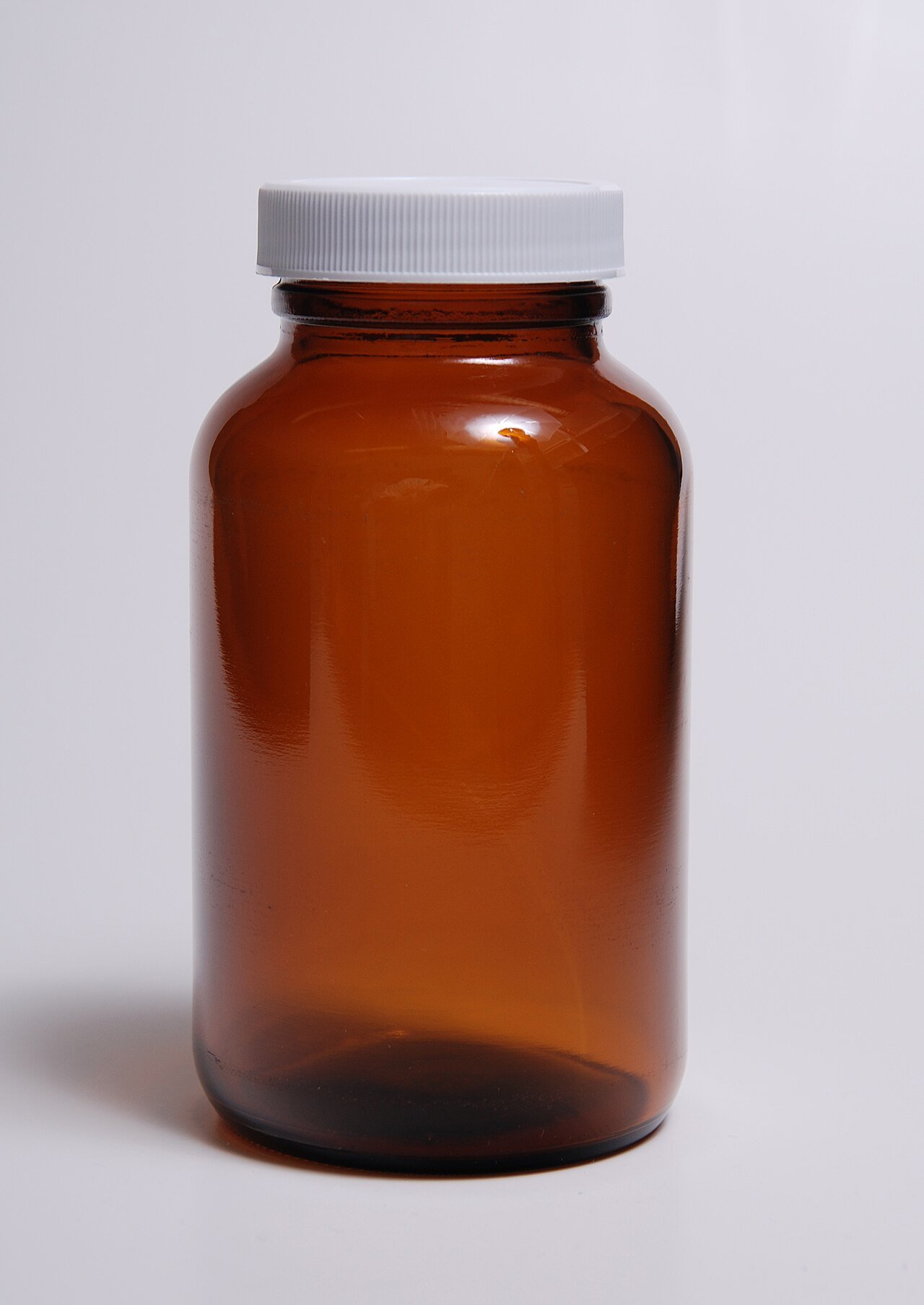
Description
The Epitalon 10mg vial is supplied as the Ala-Glu-Asp-Gly tetrapeptide, freeze dried and sealed. The fill weight is 10 mg of net peptide content. The cake is white to off-white. Every figure quoted on this page comes from the certificate issued against the lot number on the vial. For laboratory research use, and not for human or veterinary consumption.
The same material is catalogued elsewhere as Epithalon. The same tetrapeptide is catalogued under both spellings, and this site stocks it under both, in a 10 mg fill here and a 25 mg fill under the other spelling. It belongs to the short peptide range catalogued under the Khavinson names, where the name is a supplier convention rather than a description of anything. The label on the Epitalon 10mg vial carries the compound, the fill weight and the lot number, and that is the extent of it.
Contents of the Epitalon 10mg vial
The table below is the standing description of the Epitalon 10mg vial. Measured values live on the lot certificate.
| Specification | As supplied |
|---|---|
| Compound | Epitalon |
| Vial content | 10 mg net peptide content |
| Form | Lyophilized, white to off-white, sealed under vacuum |
| Sequence length | Four residues |
| Purity | HPLC, percent of total peak area |
| Identity | Mass spectrometry against expected mass |
| Water | Karl Fischer titration, percent by weight |
| Documentation | Independent certificate of analysis, tied to the lot number |
| Price basis | About $7.90 per milligram as priced |
| Supplied for | Laboratory research use only, not for human or veterinary consumption |
Lyophilized powder, and the price per milligram of the Epitalon 10mg vial
The powder is lyophilized, which means the water was removed by sublimation after the solution had been frozen. Peptides tolerate that far better than they tolerate heat. The product is a dry solid holding very little moisture, which is the condition in which an amide bond is least likely to hydrolyse. Cake appearance varies between lots for reasons that have nothing to do with content, so the volume occupied in the glass is not a measurement. Nothing about the Epitalon 10mg vial is sold by volume.
Doing the division
Milligram content is the unit the Epitalon 10mg vial is sold in, because it is the only figure that makes two listings comparable. That is around $7.90 per milligram on the price as listed. Milligram content is the unit the whole comparison should run on, and anything else, a per vial price or a per order price, moves with packaging rather than with content. Compare the Epitalon 10mg vial on that basis rather than on the price of the glass. The case is made at greater length in why price per milligram beats the price on the bottle.
Reading the certificate for this lot
Each lot has its own certificate and the document is tied to the lot number printed on the vial label. On it you will find the analysis date, the HPLC purity figure together with the chromatogram, the mass spectrometry identity comparison, the Karl Fischer water result, and the issuing laboratory. Those seven items are the specification. Everything else on a vendor page is commentary. The certificate issued with the Epitalon 10mg vial is specific to the lot and not to the product line.
Testing is contracted out to a laboratory with no ownership tie to the seller. It is a weaker guarantee than people sometimes assume and a stronger one than in house assay, for the plain reason that the people producing the number are not the people selling the vial. Stock is withdrawn from sale where the certificate for the Epitalon 10mg vial does not support the figures here. See how to read a certificate of analysis and check the lab before you check the numbers.
What the methods actually measure
Trifluoroacetic acid is used in peptide purification and some of it leaves with the product as a counter ion. It is heavier than nothing, which means a lot reported by gross weight contains less sequence than the label implies. Net peptide content corrects for that, and so do the figures used here. The same methods are run on the Epitalon 10mg vial as on every other lot on this shelf, and formulae and expected masses for compounds of this class can be checked through PubMed.
Names, abbreviations and how to keep the Epitalon 10mg vial
Abbreviations here are inherited rather than designed. They come from the groups that first made a compound, from ingredient registers, from development programmes and from vendors, so two listings can look different and be identical. Where an abbreviation expands into a statement about what a compound does, the abbreviation is what appears here, in the title, the web address, the image description and the text alike. The catalogue name carried by the Epitalon 10mg vial is the one the trade uses, and a trade name is not an identifier.
The format exists to be stored. Refrigerated for short periods and frozen at minus 20 degrees Celsius or lower for longer ones, sealed throughout, with repeated warming and cooling the habit to avoid. Keep the certificate with the vial, since the lot number is the only thing joining the two.
Research use only: this vial is a reagent
Research use only, not for human or veterinary consumption. That sentence is a description of what is being sold and not a disclaimer appended to something else. There is accordingly no dose, no cycle, no route of administration and no reconstitution guidance anywhere on this page, and the omission is the policy rather than a gap in the copy. No part of this page describes a use for this material in a person or an animal. Bacteriostatic water, sterile diluents and syringes are stocked separately rather than sold as a set with the vial.
A research use only statement is not a legal strategy and is not treated as one here. Warning letters in this area turned on what the rest of the page said, not on whether a disclaimer was present. See research use only is not a legal strategy.
Every figure quoted here comes from the document linked above, and older certificates are kept rather than retired. That is the whole of the claim being made. This item sits on the longevity shelf, inside the research peptide catalogue, and every certificate we hold is on the lab results page.


Reviews
There are no reviews yet.